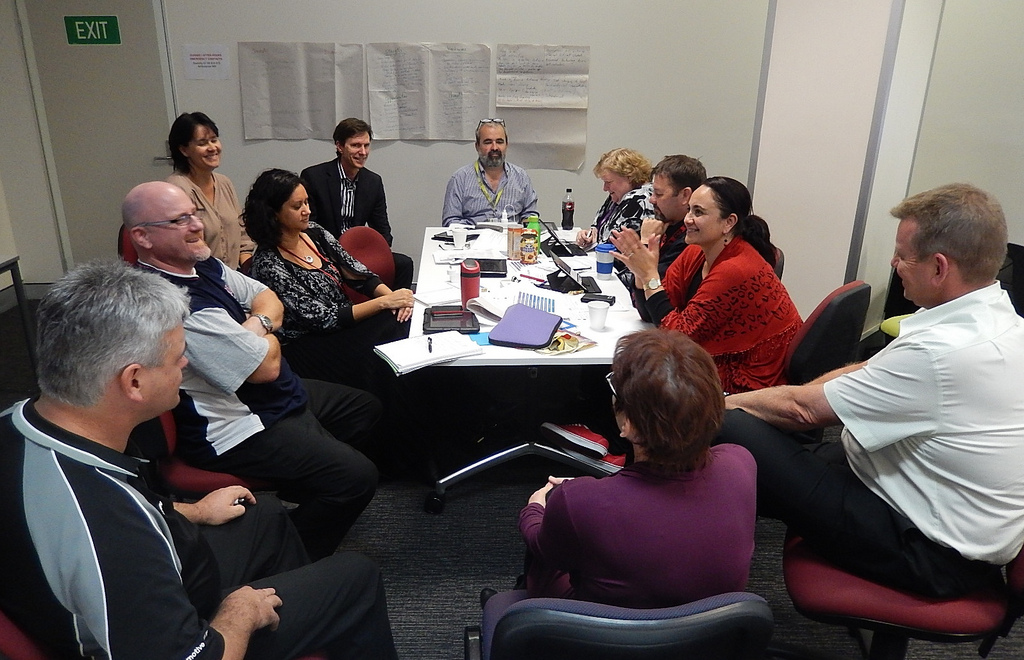
Taking notes during class is a tried and true method to improve information retention. Developing a note-taking guide or workbook is a great way to encourage your students to take notes during class. A good note-taking guide is more than the traditional presentation handout with three slides on each page and lines in the right column. A good note-taking guide requires active participation by students to record and receive all the information. It takes time to develop a good guide. It begins as you plan your lesson. Here are some tips and ideas to make a great note-taking guide for your students in leader training.
Using your slide deck is a great place to start. You can simply replace key text with underscores to create blank spaces for students to complete. If you select the two slide per page option, the slide is large enough for the student to write their answers. If you develop great slides, the kind with pictures and little text, using the fill-in-the-blank method will not work. A little creativity, however, allows you to incorporate pictures into your note-taking guide and still provide a space for the student to insert keywords for retention. The SMART Goals page is an example of using this idea. Using pictures in your workbooks reinforces the ideas from your slideshow. You need to creatively find ways so students will insert the keywords to help them remember the meaning of the picture.
There are times when text is necessary such as introducing laws, rules, definitions, or quotes. Replacing keywords from the text with blank spaces is a great way to ensure students record the key ideas from messages requiring lots of text. Often, students who do take notes in a traditional notebook try to copy every word of every slide. When they take notes this way, they miss the supporting information spoken by the instructor. The blank space replacement method permits enough writing to reinforce important messages from the slide, and also allows the student to listen to the explanatory message from the teacher. Providing some additional space allows the student to record connections they make from the information to their experiences.
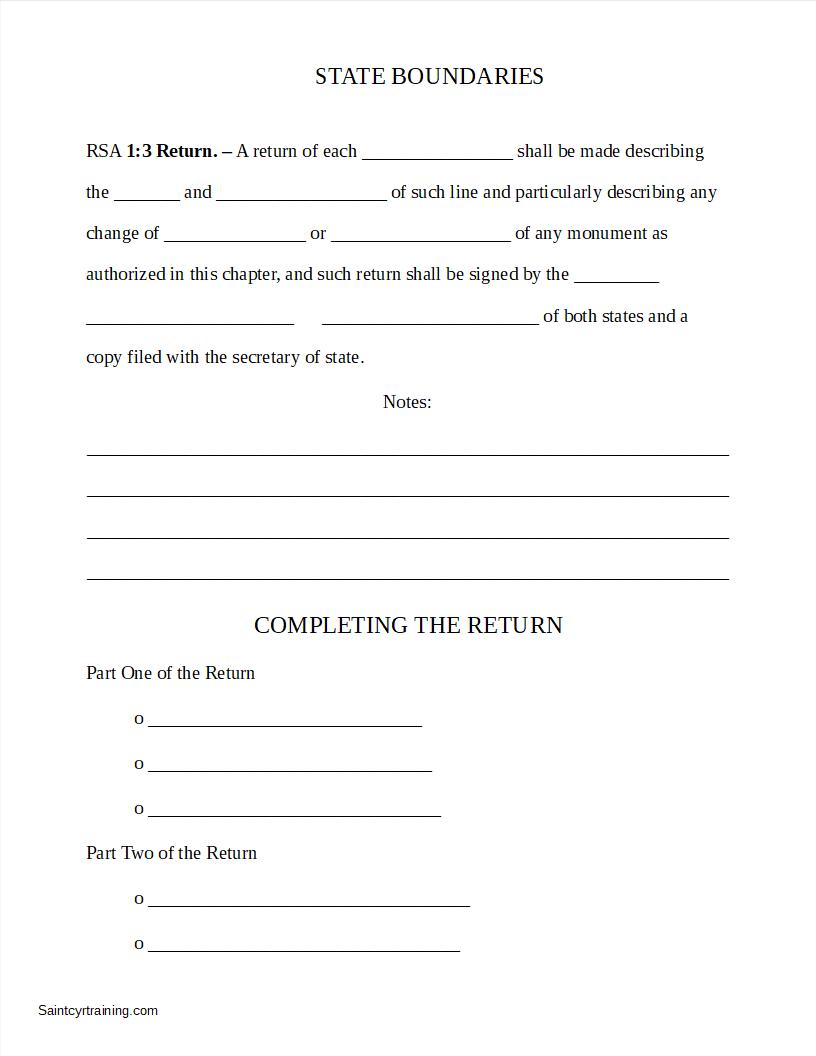
Copy the high points of your lesson outline into a separate word processing document. Using this method provides the same information as slides, but allow you to reduce the information in the workbook. It also is a great way to provide a note-taking guide if your slides do have lots of pictures instead of text. Go back and delete important points and replace them with the blank line. The blank lines send a message to students that the missing information is important. Having the high points puts students on notices about the general direction of the training. They know when important information is coming and are understand what the main ideas are versus the supporting ideas. Another method is to provide the category of information and then place an empty numbered list below the heading.
Training classes should have learning activities sprinkled throughout allowing students to practice what they learned. Use individual, collective, and small group activities during leaders training. The note-taking guide is the perfect place to insert worksheets, instructions for exercises, or a place to record reflections of the learning activity. Frequently individual worksheets become separated from students notes. When they return to the notes later in their lives, they lose the benefit of the lessons learned during the classroom exercises using worksheets. If those learning steps are part of the class workbook, they are available to students days or years later when they reflect on finer points of the training that they want to remember at that later time.
As you prepare the note-taking guide, you will find it tempting to include everything from every slide in your presentation. Do not do it. I took a two-day class some time back. The students were provided with copies of the slides later. There were over 300. I have a two day class on professional decision making I teach. There are less than 80 slides. The note-taking guide allows students to note the most important learning points from your lesson. No one is going to easily find the information they are looking for by reviewing 300 slides. When I attend a training, I try to limit my class notes to one or two typed pages per hour of class time. With that number in mind, you should aim to only have one or two workbook pages for students for every hour of class. This number does not include any worksheet activities. If the class I took with 300 slides had information from each slide in the note-taking guide, the document would probably be 150 pages. Notes should be a summary of what is learned in class. A 150-page notebook is not a summary.

Flow charts showing processes and decision points are great for inclusion in note-taking guides. The page includes all of the steps and decision points but excludes text. Include text for the most critical points so students have that information after class. Leaving most of the steps empty however requires the students to pay attention and fill in the blanks. When they leave class, they have a model of the whole process. The remember more of the process because they wrote it down in the note-taking guide. They can return to it anytime and review the process improving the quality of their work without supervision in the future. Their behaviors conform to the organization’s expectations which is the point of conducting training.
Developing a note-taking guide for leaders training is a way instructors encourage students to take notes during class. A well designed note-taking guide serves as a workbook by including adequate space for structure and unstructured note-taking, forecasts what points will be made during the training, includes worksheets for use during learning activities, provides pictures with meaning, process charts for student completion, and improves lesson retention. Students structured notes to refer to in the future to share their learning with others, and to refresh their learning. An ideal note-taking workbook is one or two pages for every hour of training exclusive of any learning activity worksheets. The guide is not a copy of the slide deck used in the presentation, rather it complements the slide deck. A well designed note-taking guide improves learning but takes time to develop. Development begins as you work on your lesson plans. Your students will leave class thinking you are the profession expert you professed to be when you provide a quality note-taking guide.
Image Credits
Person Taking Notes: PXHere.com-no attribution information.
Workbook page examples: Author from examples of his note-taking guides.
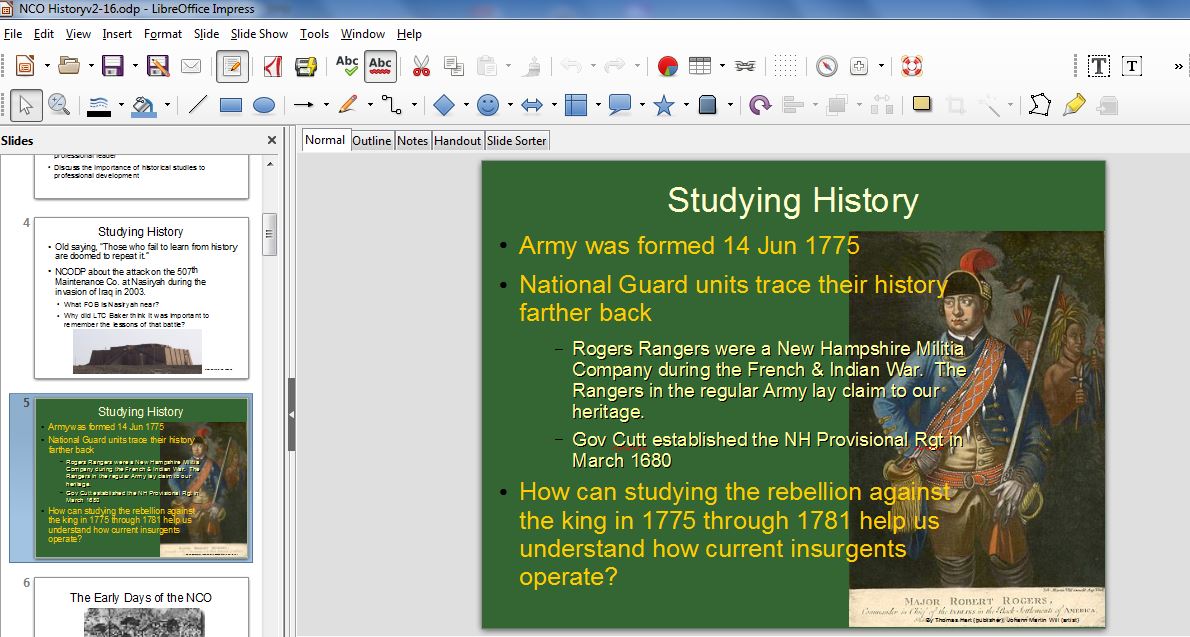
The RSA language is from NH.gov.

 Many organizations confuse training and education. Training is a process of teaching people skills. Education is a process of transferring ideas or knowledge. Often organizations educate people but call it training. People learn ideas and gain knowledge from education. People learn skills from doing the required task. Education is necessary to build skills. Building a skill is not required to aquire knowledge or learn new ideas. This is were the disconnect between education and training occurs. Trainers think passing ideas and knowledge to learners means learners understand how to use the information to complete tasks. For people who posses skill in a given area, this may be true. More often, new learners need practice completing the skill one task at a time after receiving foundation ideas and knowledge. People learn skills by doing.
 In the movie, The Karate Kid, Mr. Miyagi teaches Danny several karate defensive moves through the process of household chores. Miyagi never tells Danny why he is expected to complete certain tasks in the prescribed fashion, only to follow instructions. Eventually, Danny learns the basic skills of karate.
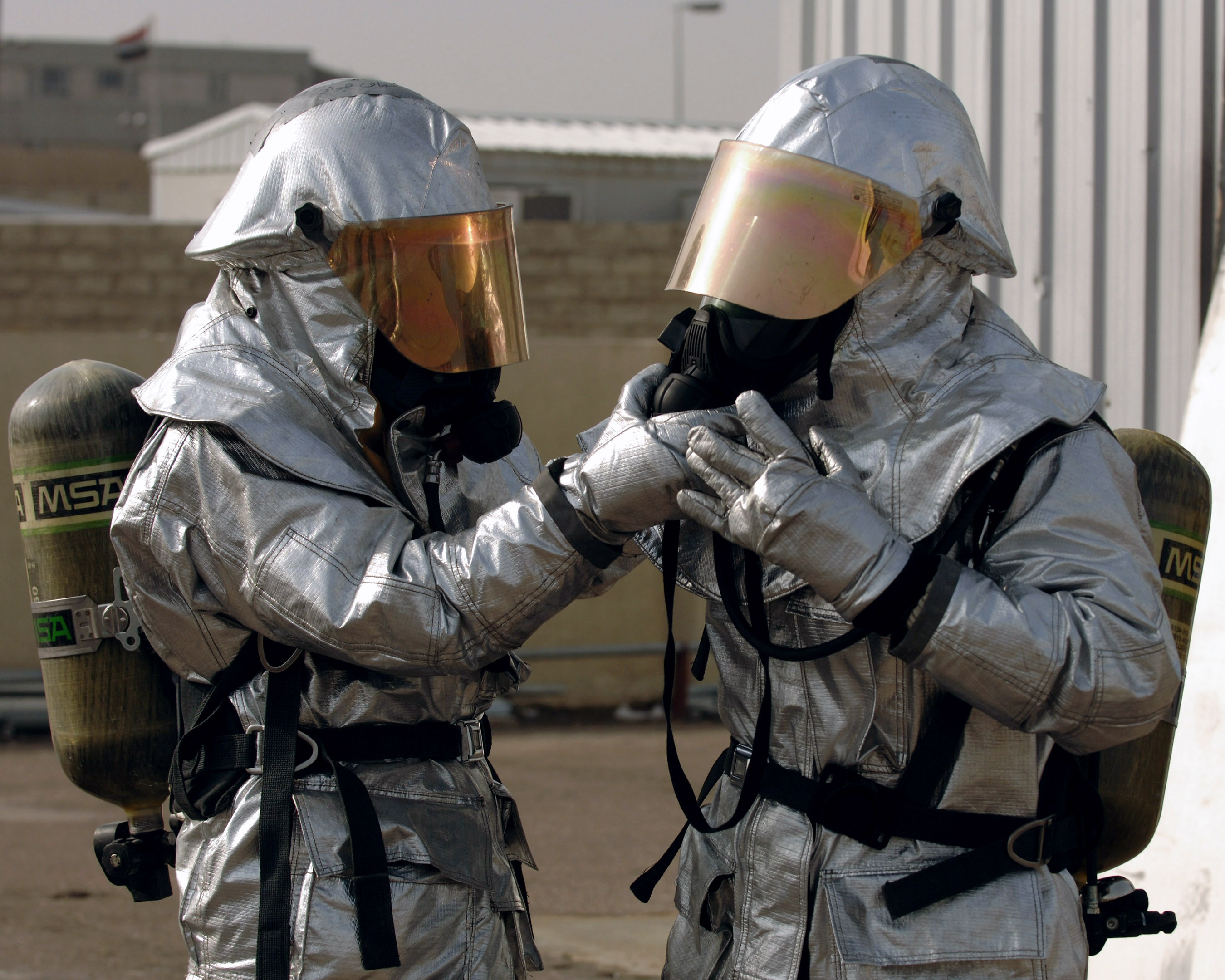 Completing the educational piece of the training sets up students to work on skills. Whether the skill is making a peanut butter and jelly sandwich, conducting an analysis of data, or building a rocket motor to take a space vehicle to Mars, knowledge is the basis of the skill. Skill building exercises begin the process of changing ideas and beliefs into actions to achieve results.
 Every skill building exercise should be developed to allow students to connect the skill to information learned during the educational portion of the training. Connecting knowledge to skills improves understanding so when things go wrong, students can trouble shoot the situation. Teachers and instructors cannot teach students how to respond to every possible situation they may encounter. Connecting skills to knowledge allows students to effectively solve problems in the real world.
 present opportunities to provide additional information and improve understanding. Use mistakes as opportunities to expand student knowledge of how a task step effects the overall skill.
 Any popular instruction beyond the basics of how to create slide decks emphasize the importance of graphics. Presenters face challenges finding inexpensive images to really make their learning or persuasion points powerfully. Learning about and finding public domain and Creative Common licensed images liberate presenters from corny clip art and open a world of high quality pictures, clip art, and video free from fees and royalties.
 Flickr is the big name, but not the only source for free images. Google Images provides access to lots of images. Like flickr, not all are free, but like flickr, you can filter your search result to show just public domain or Creative Commons images.
 Pxhere.org images are all Creative Commons licensed with no use restrictions. That means anyone can use or remix any image for any legal purpose according to the website.
  Clip art is more difficult to find, but a good source is openclipart.org. All images are open source. Users should familiarize themselves with the restrictions of each type of license before using images from any source.
 Trainers and leaders need to measure success. Measures of success demonstrate the organization does things correctly and does the correct things. Trained tasks support the organizational mission, the organization’s why. Trainers measure performance and leaders measure effectiveness. Understanding the difference ensures organizations correctly apply the correct measures to tasks by the right people.
 The task is like climbing Mt. Washington, the highest peak in New England. The task is simple but not easy. Mt. Washington is a deadly peak showing little mercy for those who may make even a small mistake. High winds, sub-freezing temperatures, and snow are common even in July. The terrain steep and rocky. The views approaching and above tree line are dramatic, distracting, and just plain awesome. The task is simple really, inspire your students to learn what you are teaching and incorporate the lessons into their daily lives to become better at what the do. However, like trails to the summit of Mt. Washington, the path to successful training not easy. Adult learners are distracted in many ways. Some dealing with problems at home. Others deal with problems at work. Problems are like the tremendous views causing students not to pay attention to the trail. Some students do not feel they need to learn what they were sent to learn at your training, while others may think they know more than you do about the topic (and they might). Both groups are like large rocks tripping you if you do not pay attention to your student’s needs. Like to cold in July, some students remain cold through out the class. Vision is often discussed as a leadership tool to help employees focus on what is right. With vision comes passion. Vision in training and education accomplishes the same result as it does in leadership. With learners, vision creates a desire to pay attention, focus on the learning, and demonstrates you are prepared for whatever the mountain throws at you.
 Most people want to learn to work better, rather than harder. Paint a picture of a hammock strung between two coconut palm trees, the wind gently swinging them back and forth as they sip a cool tropical drink on a quiet, sandy beach. Let them leave your training with the passion, vision, and confidence that using your ideas and skills will lead them to that hammock. Students who understand how your lessons creates a simpler life encourages them to pay attention and learn more. Some say life on the beach is better than climbing mountains. Creating a vision of success inspires your students to implement the things they learned from you.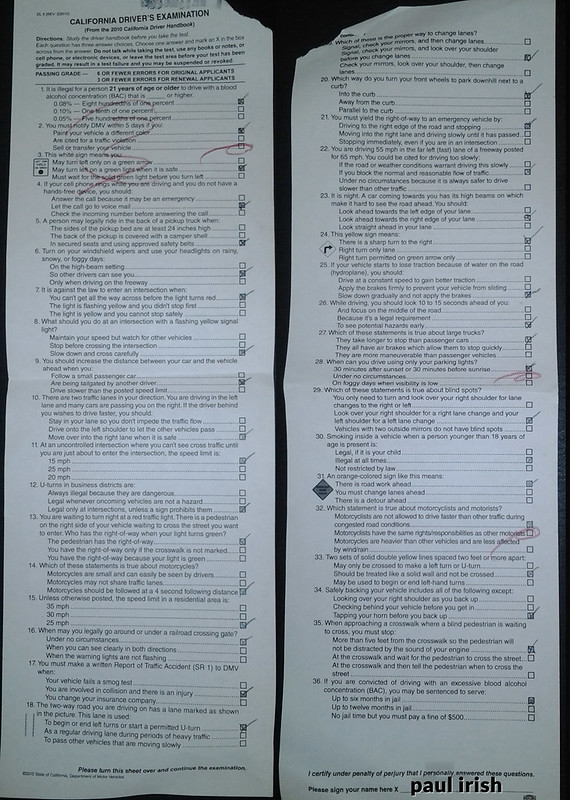


 Inexperienced instructors struggle to learn ways to involve their students. A simple, yet effective method is Ask, Pause, Call.
 Asking questions through out your training helps students pay attention. They never know when you will call upon them to answer a question. It allows them to make connections to other learning and experiences. Their answers let you know if they are receiving and understanding the information, or if you need to represent the information using a different approach.
 their answers to make the learning point. If they are a bit off, follow up with leading follow up questions that tends to suggest the correct answer.
 the supervisor includes one of the guiding principles on the first Monday of the month. The supervisor provides the company’s definition of the principles and facilitates a discussion about ways employees can incorporate behaviors into their work lives to live up to the principle. This week they discuss loyalty. The conversation includes loyalty to the company, the smaller group, customers, and shareholders. The meeting breaks and employees go about their work.
 conversation when you return to the first guiding principle. Allow that employee to discuss and introduce the guiding principle. She could lead the conversations about how others engaged in behaviors exemplifying the principle. Repeating the process instills a deeper understanding of each principle and allows employees to further ingrain that principle into their daily lives. As new employees come on board, they learn not only how things are done, but why.




 class that is designed specifically to meet your training objectives. Good practical exercises are copied by instructors because designing them is tough work. The first time you have a student build a pasta tower to the ceiling and perches his or her marshmallow at the top, you realize it is better to use your own ideas to reinforce your learning points.


 ided so the student understands help really is there.


 Forgiveness is often seen as a weak, outward display directed at those who offend us. Unlike respect, viewed as strong, outward behaviors directed towards others, forgiveness is a strong, inward action directed towards ourselves. Holding grudges does little to change someone’s behavior. Instead, grudges harm the holder, preventing him from developing better relationships.

 velopment classes, I teach a segment on the importance of using your voice. Trying to write a wimpy presenters fast pace, low volume and even monotone speech is more difficult than demonstrating it for a class. There are many reasons people use poor vocal skills while presenting such as lack of confidence in front of others, inexperience as a presenter and contempt for the topic. The opposite is also true. Speaking at a rapid pace in a loud volume continuously sounds like you are recording a commercial for the latest monster truck rally. Three cliches come to mind when considering the use of one’s voice during a presentation. The first is “Slow is smooth and smooth is fast”. The second, “Variety is the spice of life.” The final, “Silence is Golden.”