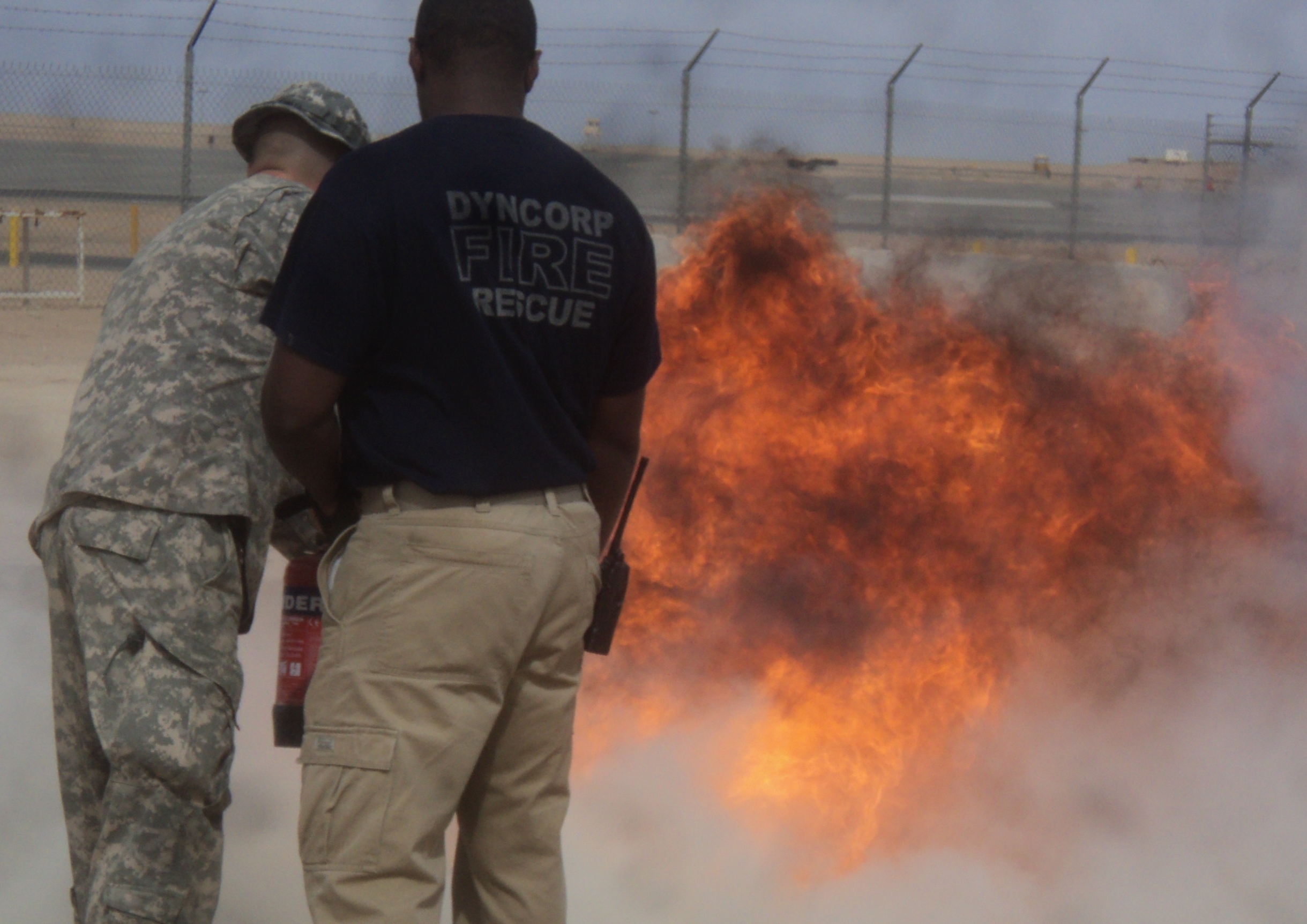
Strengths and Weakness assessments are internal examinations of an organization, much like a military fitness test. Identify both in the same process. If your weakest event is passing, focus on strengths. If you fail an event, strengthen it. -Photo by author
As a young Soldier, I struggled with the Army’s physical fitness test. It was not the whole test. I generally maxed or came close to maxing the push-up event. I did pretty well in the sit-up event. The run however was a different story. I often failed the run, even when I had been running regularly. It was a weakness that could derail my military career. I could carry projos up and down the gun line all day. I always scored high on the written gunner’s safety exam. Evaluators would give me the most difficult missions for the hands on test. Regardless of how refined my artillery skills were, I would be put out of the Army if I did not find a way to pass the run. While I always encourage others to lead from their strengths and find others to fill voids, there are some personal or organizational weaknesses that leaders must recognize, acknowledge, and strengthen to avoid failure in an otherwise successful venture. For me, that was my run.
Assessing weakness is an important part of the strategic planning process. Understanding vulnerabilities allows leaders to create plans for those areas that will cause failure by developing procedures to monitor them, or finding another way to look after them. People and organizations should always play to their strengths. However, failing to recognize critical areas of vulnerability can cause failure. Identifying these critical weaknesses is the second internal evaluation an organization conducts during a strategic planning assessment.
Look for weakness in the same areas you look for your strengths. Conducting your weakness assessment at the same time as your strength assessment saves time. Remember, some of the areas to consider include:
Processes and operations
Human Resources
Communications
How your weaknesses are amplified by industry trends
Quality controls
Leadership and leader development
Safety, and
Employee training.
Over the years, I served, and continue to serve, on Boards of Directors and Advisory Boards for nonprofits. A number of years ago, I served on an Advisory Board of a prevention program for one nonprofit. This program existed for about eight years, when the second chief executive decided it was time to retire. The Board of Directors hired a new CEO who was overwhelmed, and paid little attention to the prevention program. The Advisory Board made several attempts to engage the new CEO. They were ignored. Members approached the BOD Chair, who in turn raised the issue with the CEO. The success of the prevention program was part of his overall job.
Sadly, the program failed in less than two years of the new leader taking charge. Many at-risk youth served by the program ended up becoming involved in criminal activity. In time, the Board of Directors challenged the leader’s lack of success in other areas. The Board Chair communicated to the CEO that if he did not implement change, he would be dismissed. The CEO could not see how the prevention program fit into the over all operational scheme the Board viewed as essential. His blind spot for prevention was a glaring weakness he would not address. The CEO left the organization before e was fired, but not before causing grave damage in other areas of this previously thriving organization. It took his replacement more than three years to repair the damage. The CEO failed to recognize his weakness in operating the prevention portion of his program. Their people ready to accept the challenges of running the program and fill the CEOs lack of experience in running prevention programs, but instead, he would not allow people to take action. He wanted total control, which was ultimately caused the problems in other areas. His failure to fill that void was a fatal weakness.
The number of cords in a rope add to its strength. However, a two strand rope may be more than enough so focusing on adding a third may distract from building other strengths. -Photo by Barnabas Sani on Pexels.com
While evaluating weaknesses, remember not all weaknesses are equally threatening. Focus on fixing those that will cause you to fail so you can dedicate the greatest number of resources to building your strengths. Going back to the opening story, my run was not my only weakness as a leader, but it was a fatal flaw if I did not address it. When examining weakness, look for those that will cause complete failure if not addressed.
When I retired from the Army, my run had become one of my strongest events on the physical fitness test. I found people to coach me. I changed habits. Even as I grew older, my running scores continued to improve without sacrificing push up and sit up scores. People actually started calling me a runner! I also continued to build on my other strengths, like becoming a more coach-like leader year after year. Allowing people to understand the task and letting them execute within the established limits, even if the way they accomplished the task was not the way I would do it.
When examining your organization’s weaknesses, identify your fatal flaws. Plan to fix or fill those gaps so that weakness does not crush your organization. Continue to build your strengths. At the end of your strategic plan life, you may find your weakness has become a strength instead of your downfall.
References
Collins, J. (2001). Good to great; why some companies make the leap…and others don’t. HarperCollins Publisher. New York, NY
Kinicki, A. & Williams, B. (2008). Management; A practical introduction. (3d Ed.). McGraw Hill Irwin. New York, NY.
Morreale, S (October 21, 2009). Executive Strategic Thinking. [Training Presentation] Command Training Series: Executive Development Course. New England Association of Chiefs of Police. Held at Roger Williams University, Bristol, RI
As the old year passes, reflect on your accomplishments and ideitify how to use them to achieve more in 1025. -Photo by Wendelin Jacober on Pexels.com (cropped by author)
As the year closes, leaders often reflect on the progress of the previous year, both in their personal lives and in their organizations. Goal setting is a common activity Too often many people and organizations set goals but give little thought to how goals work together to create lasting change. Strategic plans organize goals and activities, improving success rates.
While many have participated in strategic planning, rarely do those participants see all the work involved in a strategic plan. They remember SWOT. In addition to Strengths, Weaknesses, Opportunities, and Threats, you need to identify how those relate to your aspirations and desired results. Then, you can create SMART goals to achieve those aspirations and results. This is the first of several articles on strategic planning. The contents here are a preview of what to expect in the following months.
It is pretty easy to think of each of these stages as separate. In reality, planners begin working on areas of the SWOTAR model and identify things they missed in the other areas. Each topic is mutually supporting of the others and should spur, “A-HAs in the other areas.
Strengths are those of you, your team, your organization, and allies. As you list strengths, think about how they leverage your ability to achieve your goals. If a strength is not helpful in achieving your aspirations and desired results, you really have to ask if it is a strength or are you chasing the correct ending?
Weaknesses are those areas that hold us back. Often, people and organizations focus on improving all their weaknesses. Doing so slows you down. Develop those weaknesses that prevent success. Work from strengths while monitoring weaknesses. Only strengthen those that create a vulnerability.
Even if 2024 did not go as expected, you are in a different place. What can you see now you could not at the end of 2023? -Photo by Sasha P on Pexels.com
Opportunities are not always opportunities. Only those opportunities that help you achieve your desired results are opportunities. There needs to be a connection between the opportunity and your aspirations. Without that connection, you will not obtain the results you seek.
Threats are those things that have the potential to derail your efforts to succeed. We commonly explore the competition to identify threats. However, it is important to identify other potential harms. Imagine if a tornado moves your warehouse to another county and your merchandise in the opposite direction. What do you need to do to protect your project from such threats?
Aspirations help mold your vision of a perfect world. They are the way things would be if you are 100% successful with your expected results and goals. Aspirations are the measures of effectiveness of your results.
Results are the changes in people, projects, and patterns to achieve your aspirations. You achieve results by setting a goal, developing a plan of action, and following the steps in your plan in a consistent, disciplined way.
For example, you need a foundation for your new home. There are several styles of foundation you could build. You need to pick the process necessary to have the foundation you want. Identify the people you trust to get the job done. Follow proven patterns for successfully building foundations. When your project is complete, you achieve the results in the end you see in the beginning.
A strategic plan pulls together all the strengths, weaknesses, opportunities, threats, aspirations, and results in one place. Leaders use this information to identify people, projects, and patterns to create goals that lead to success. Every goal in the plan should support the mission and vision. The results should align with your personal and organizational values and principles. Even if you have an imperfect plan, you will move closer to seeing your aspirations realized than proceeding without a plan.
A map is collection of information about an area that helps people move. Your strategic plan is your map for the future. -Photo by Andrew Neel on Pexels.com
“Tis impossible to be sure of anything but death and taxes.” (Bullock, 1716), everything else is subject to change.
Change is certain. Be a leader of change.
I wrote this article on the weekend of the 50th anniversary of man landing on the moon. It caused me to think about how that happened. There are lots of examples of leaders creating great things in government, business, and in social services after creating a vision of what could be dating back to the beginning of recorded history. As I study and apply leadership lessons, I found there are five principals of leaders who effectively lead change within their organizations. Those leaders set examples by living and enforcing organizational guiding principals, communicating a clear vision for the future, establishing goals and benchmarks, taking disciplined action to accomplish required tasks, and possessing humility.
Leaders establish
guiding principals through their behavior. The old maxim, “Actions
speak louder than words,” says it all; leaders who say respect is
important and treat others respectfully are more convincing that
those who treat others disrespectfully. Whether you are new to the
organization, in a new position, or a veteran in a leadership role,
you choose your values. Ensure they are aligned with the
organizational principals, or advocate to changing them. It takes
time to establish character, but even if you have been an angry,
disrespectful, fly-off-the handle kind of a leader, you can change.
Others will notice and your character will change.
In addition to behaving in accordance with your professed and the organization’s values, leaders ensure others also develop character. You cannot ignore a direct report’s violation of an organizational principal and fire a more junior person for the same behavior. If your organization values people’s time, then the person who is consistently two minutes late for work, meetings, and leaves five minutes early needs to be held to account. Not every offense requires firing. Not every offense requires a written reprimand or other disciplinary action. Often pulling a person aside and pointing out their faux-pas is enough to gain compliance. When misbehavior is displayed by otherwise compliant people it may signal trouble. Pulling that person aside presents an opportunity to address the trouble and become aware of their problem.
A few years ago I gave in and went to the eye doctor because I noticed road signs were not as clear as I remembered them. I needed glasses. Over time my vision dulled and I needed someone to help me see clearly again. An organization’s vision is the same. In the beginning everyone knows why they belong, where they are headed, what they are doing, and how to do it. As the organization grows older, the vision fades, just like people’s eyesight.
Help other people see your vision of the future.
Leaders often think
they only need to cast their vision before their followers once and
they are good for life. They are wrong. There is a reason all major
religions have services on a weekly basis. That reason is to refresh
the soul. Face it, after ten years of church going, you probably have
heard all there is to hear. Services keep your faith fresh.
Likewise leaders need to continually project their vision for the organization. Those who work in the organization need to see it so they can properly care for clients and customers. Clients and customers need to see it so they understand why you do what you do; it builds brand loyalty. Vendors and contractors need to see it so they are on the same page. Leaders, from each member of the Board of Directors, to the shop foreman, need to see it so they can magnify and amplify the vision for their followers.
Vision statements
are not one and done. Leaders constantly need to proclaim their
vision to inspire everyone they encounter. Leaders develop
credibility when they not only talk about their vision, but take
action to make it a reality.
Based on the
leader’s vision, the leader and junior leaders establish goals to
accomplish the mission and vision. Goals should be specific,
measurable, attainable, relevant, time bound, and task oriented. Many
of you will recognize the SMARTT goal setting model. I added and
extra tee for the task steps.
Task steps are
important. They provide the directions to achieve the goal. The goal
is your What. The task steps are the How.
Use your vision of the future to establish goals.
Leaders should establish a plan for goal setting. Good goal setting happens in cycles. The first step is to assess. Your assessment establishes your starting point and destination. As you walk your selected path, you will encounter life and may find you stray from your planned path. Periodically check your progress and adjust course as necessary. As you move along, you learn; apply those lessons along your journey. As you near the end of your journey, it is time to assess again and establish new goals. Click here http://bit.ly/2YfQH0Y for a short lesson on the goal setting cycle.
Disciplined action
ensures accomplishment of critical tasks for mission success.
Discipline has several meanings. In this case I intend it to mean
controlled behavior resulting from training (adapted from
https://www.thefreedictionary.com/discipline).
Action means activities required to complete the mission. Disciplined
actions are planned and controlled activities that are scheduled,
measured, supervised, and coordinated across all teams in an
organization.
To be effective,
organizations must plan. Planning includes scheduling, measuring,
supervising and coordinating actions. Planning requires discipline.
Planning also identifies key performance indicators. Controls are
necessary to establish measures of performance and effectiveness
(insert link to that blog). Supervision is only effective if
supervisors know what they are looking for in performance and
effectiveness. Coordination ensures things are going according to the
plan across all teams. Coordination communicates the plan and status
of activities to everyone.
An example of disciplined action are the steps required to make a widget and ship it to a customer. In the planning stage, leaders determine what needs to be done, what resources are required, what will be measured, how often, by whom, and how to coordinate across all the teams. The organization identifies the material, machines, and people required to make the widget. They order material and hire people. They schedule activities such as when raw material should arrive, when workers need to be at their machines, when product will be shipped, and the means for delivery to customers. Coordination is required so there is material on hand to manufacture widgets when workers are available; trucks are available when enough widget are ready to ship, and adequate capacity exists to meet deadlines. Coordination is an on going process. For example, if machine operators are sick, it causes reduction in production. The shipping team needs to know so they can adjust shipping schedules.
Disciplined action requires advanced planning to accomplish leader goals.
Much of this step is as much management as leadership. Management is an important leadership skill. People are involved in each part of disciplined action and that is where the leadership comes into play. Fail to lead disciplined action, and your organization may achieve a task, but it will not remain successful.
I remember reading
in Seven Habits that Stephen Covey claimed to have studied great
people for years before boiling down their secret of success to seven
habits. I thought, “Why would anyone dedicate themselves to such
work?” I found myself reviewing Good to Great a short while ago and
read Jim Collins’ assertion that Level 5 Leaders are humble. That
was not the first or last place I encountered that idea, but it
struck me then how many times I learned that point from so many other
sources including people I chose to follow. I now wonder if Covey
stumbled across those seven habits the same way I found the five
principals of leading change.
Humility is an
important trait for being a good or great leader. Great leaders do
all the things I present in this article, but they also recognize
they lack certain skills, lack knowledge, lack connections, and other
important resources to make things happen. Great leaders recognize
they need to rely on others to help them accomplish the
organization’s mission. If they are the smartest, fastest, most
skilled person in the organization, they are leading the wrong group
of people, and they know that. They seek out people who are smarter
they them. They hire others with greater skills. They know these
others are their superiors and they are blessed to lead them, or put
another way, they know they are blessed those high speed individuals
choose to follow them.
You can develop
humility. It is a skill that can be learned. I saw it in action
during my first General Staff meeting. In a General’s staff meeting
there are standard scripts everyone follows to ensure the General
receives the information he needs to lead the force and make
important decisions. According the script, other staff sections
presented their canned information to the General. Then it was my
Colonel’s turn to present.
At the time, Colonel Shawn was the Director of Logistics. On schedule, the slides with the logistics information were projected on the screen. COL Shawn hardly noticed. Instead he looked at the General and said, “Sir, I know you’ve seen my slides and our information is pretty good this month. If you don’t mind, I want to tell you about the great work that Kris Skinner has done this month with our surface maintenance program.” The Colonel went on about LTC Skinner’s accomplishments that month. At the end of the story COL Shawn asked the General if he had any questions about his directorate’s data. When the General said he did not, Shawn introduced the next staff chief.
I was impressed. I thought it was a one time thing to bring some attention to the boss about good work done by his followers. The following month however, COL Shawn had another story about the good work another member of the section. Again at the end, instead of getting into the data on the slide he moved onto the next speaker. COL Shawn had someone every month he highlighted at the staff meeting. Now of course none of those workers acted independently. Col Shawn knew what each was doing and used all his leadership ability to encourage them to do the greatest job they could do. Each individual responded by regularly exceeding the standards and expectations.
Disciplined actions result in desired change.
COL Shawn was promoted to Brigadier General. He is a confident and competent leader. He accomplished plenty of big things in his own right. Yet when ever he talks with someone, he learns about them. He shares what he learned in a recent book he read. He asks what he can do to make things better for lower-level leaders. He practices humility.
Change is inevitable. Leaders must navigate future changes. Even choosing to maintain a certain level or quality of business without growth or shrinkage requires organizational change. Laws change. Customers change. Demand for products changes. Organizational staff change. Leaders who do not lead change will find there is no one left to lead. Leaders effect change by creating a desired vision of the future. They set and help followers set specific, measurable, attainable, relevant, time bound goals with task steps. They plan and manage disciplined action to accomplish the mission and change. They are humble people who understand they still have much to learn. Change is coming. Are you leading to adapt to that change?
/ —- Photo Credits —-/
Coins by Steve Buissinne from Pixabay using pixabay license.
Companies spend large sums of money to sending employees for training to improve performance. When employees return, they resume ineffective habits. Ken Blanchard says in his book, KNOW, CAN, DO, that he is frustrated people do not implement the changes he teaches. The point of leaders sending employees to training is to develop to new, effective behaviors in employees and become better people. Here are some ideas how leaders effectively help employees implement behaviors learned at training increasing their return on investment (ROI) on training.
Require employees to take notes during class. Note taking improves retention. Hand written notes are better than typed notes in the classroomi. When they return to work make them then sit down and type those notes. Typed notes are better than handwritten notes after the class. Typing notes requires the student to revisit the material again providing an additional opportunity to learn improving training ROI. It also provides a readable copy of the notes which will be more useful a few years from now. They understand the type written notes better than their hieroglyphs taken in class. Typed notes should include the title, location, and date(s) of the training, the name of the employee completing the notes, the name of the presenter, and a website for additional information. Typed notes are necessary for a later step in this process, sharing learning with others.
Once your employee has completed their note typing, have them report to you the big concepts taught in the class. Ask them the one or two take always they think are most important to implement in their work behaviors. Work with them to develop an action plan or goal. There are a few other blogs here on goal setting and developing personal improvement plans. As the leader, you have the responsibility to periodically check in with the employee to monitor progress. Employees require your guidance to overcome obstacles and provide encouragement. Set aside 30-60 each week in the first few weeks after class to meet with the employee and measure progress.
One great way to improve learning is teaching. Have the employee present what they learned at your next staff meeting. There are several advantages to having employees present after training. One is you increase your return on the investment you made on that training event. Every employee learns something new, not just the employee who attended the training. Second, the employee becomes the teacher and for a short time, the subject matter expert. This puts them in the spotlight. Everyone craves recognition. This is a great method allowing employees to shine in front of their peers. Third it provides you an opportunity to discuss why the behaviors learned in that training are important. You reinforce for staff what new behaviors you expect from all of them. The message about expected new behaviors comes from a peer. Peer pressure is strong. Use it to your advantage.
Remember those typed notes? Copy and distribute them during the short training session. The notes should include the name and email address of the employee who took the notes. Having the employee’s name and email on the notes provides contact information for others. When other employees have questions, they are able to contact the company’s subject matter expert and receive answers; another opportunity for the subject matter expert to shine.
It may sound a bit overboard to provide all kinds of recognition to an employee returning from training. In some organizations, training is viewed as punishment. People in those organizations think the only reason the company would send someone to a training event is because they messed up something. The training is the company’s way of telling the employee and others about your mistake. Highlighting the positive impacts from training encourages others to want to attend and learn. It is the basis of a learning and improving organization.
Since your employee returned from training, you worked hard to groom him or her into a subject matter expert. You allowed them to share their new knowledge with others. You developed a plan encouraging them to implement changes in behavior learned at the training. Now reap the rewards. Appoint your self-grown expert as a mentor. Assign a protegee to the mentor who is dealing with performance problems. Often we think of performance problems as coming from problem employees. Frequently though performance problems come from inexperienced people, or people assigned new tasks without appropriate background or training. Use your subject matter expert to teach this person how to improve. As they work with the newer person, they may find a need to refer back to their original class notes. Good thing they typed them so they are legible! Because you modeled goal setting with your employee, they use that skill to help their protegee set goals. Your newer, inexperienced person benefits from the training provided to the mentor weeks or months ago, another return on your investment. Instead of sending this person to the same training to learn the basics, you book them for something different. When they return, repeat the process and you have a new expert on a different topic.
As time passes, you find many of your people have gone to a wide variety of training. Some learned to become effective leaders. Others learned how to improve customer service. All attend regular training about advances in your company’s field of expertise. Every employee is up on the latest in each area because they benefit from the micro trainings each new subject matter expert provides after an off-site training opportunity. Your people acquired lots of information boiled down in carefully typed class notes. Many have become strong leaders. Eventually people move on to other activities in life. Because you took the time to train everyone about a wide variety of issues from leadership, to cutting industry trends, and building strong networks ensuring customer needs are met, you have no problem replacing leaders. Someone is ready to step into the role. This is the final pay off from that training investment perhaps years ago. You have the right people in the right places with the right training and experience so when someone leaves, no one misses a beat.
Sending employees to an off-site training is a big investment. Good leaders understand how to leverage the learning of one person so that everyone on the team learns. Using these skills the ROI on your training investment. Employees use a training event to help other employees develop goals changing behaviors, the objective of training. Good leaders spotlight the employee’s learning and behavior changes by helping them become subject matter experts. Good leaders set the stage for people to want to go to training because they understand you want them to stick around for a while. You developed a library of knowledge in the typed class notes which is available for everyone. Employees have contact information for subject matter experts. Employees mentored others learning to lead. You influenced change. You influenced others to effectively improve behaviors and accomplish the organizational mission. You maximized the return on the company’s investment on training. Next time someone comes back from training, put them to work so everyone becomes better and maximize ROI on your training investment.
Trainers and leaders need to measure success. Measures of success demonstrate the organization does things correctly and does the correct things. Trained tasks support the organizational mission, the organization’s why. Trainers measure performance and leaders measure effectiveness. Understanding the difference ensures organizations correctly apply the correct measures to tasks by the right people.
Performance measures are those things that show we are doing something correctly. Examples include demonstrations of completing a task within a set of given guidelines, passing a test demonstrating knowledge of selected ideas, or achieving a certain result we believe leads to effectiveness. All these examples show the task is being performed correctly. These are the measures a trainer uses to demonstrate tasks are understood and performed correctly. Front line leaders use measures of performance to demonstrate assigned tasked meet defined standards.
Effectiveness measures are those things that show the organization is accomplishing its mission. Effectiveness is harder than performance to measure because organizations often have poorly defined missions. Effectiveness comes down to an individual or organization being able to focus on their one reason for existing. Examples of effectiveness measures include things like changes in behavior favorable to the organization, increased trust between employees, customer loyalty, or improvement in a given condition. Measures of effectiveness demonstrate mission accomplishment by the organization.
Organizations must understand and communicate why they exist in order to be able to measure effectiveness. Jim Collins talks about businesses that learn how to laser on their purpose for existence. Great businesses last because they were designed well in the beginning, or transform to meet changing times. There are many books that talk about the importance of why including Simon Sinek’s Start with Why, and Stephen Covey’s First Things First. Senior leaders use measures of performance to determine success when the organization meets its mission.
As leaders and trainers measure success, they need to learn how to measure both performance of individual and collective tasks, but also the effectiveness of those tasks. Everyone may be doing everything well, but if they are doing the wrong things, they fail. Knowing which measures to use and when help organizations ultimately complete their mission. Find your why; determine what an how to achieve it, then measure your success.
– – – – – –
Photo Credit
Measured by Michael Coghlan from flickr.com under a Creative Commons License
Companies carefully develop and vigorously safeguard their corporate logos and trademarks because the leaders understand the importance of brand. Logos speak for the company, what it makes, and stands for. Some trademarks become terms for common items, actions, or a range of products. Years ago people would Xerox a copy when they wanted a photocopy. Everybody had a Frigidaire even if their refrigerator was a Whirlpool. Today if you want to find out some piece of information, you Google it. Mention these names or show their logos and people create a vision of excellence in each of those industries. The trademark is the company and people know the values of each. Artifacts, such as logos and trademarks, are the visible representations of an organization’s culture and values. Other aspects of artifacts include customs, traditions, celebrations, buildings, and attire. Leaders can use artifacts to change behaviors of stakeholders to align with desired values.
Back in the day, families had coats of arms that contained symbols representing significance accomplishments from the past, the region of origin, and tools of their trades. Military organizations thrive on the symbolism of their unit crests. Good leaders understand the qualities shown in organizational symbols and use them to provide a common bond for all stakeholders. The symbols and traditions create a unification for all those involved in the organization.
The terms blue collar and white collar demonstrate how artifacts affect perception. Mention blue collar worker to someone and they probably envision a person working on a factory floor, working in an automotive repair facilities, or dumping waste cans after the office closes. White collar workers are viewed as those working in clean environments such as offices, hospitals, or laboratories. Blue collar workers have GEDs or high school diplomas. White collar workers have college degrees, have offices higher in the building relative to their perceived power. These statements are not necessarily true as there are plenty of people holding traditionally blue collar jobs with high levels of education, and many office workers with high school diplomas.
Ceremonies and customs are other artifacts that show the world and stakeholders where an organization places value. Organizations that toss their new employees to the wolves with little training demonstrate they value people less than accomplishment. Those who celebrate small successes show they care when people succeed and understand that when an individual succeeds, everyone in the organization is better because of the achievement.
A smart leader seeking to change an organization’s culture can use artifacts to help that change occur. He can point to the symbols of a logo to talk about the important values of the organization. He describes how certain behaviors emulate the organizational values while others detract. He eliminates ceremonies celebrating negative achievements that belittle and embarrass, and replaces them with rituals observing feats supporting desired behaviors. Awards for compliance with desired organizational values serve as visual representations of success and encourage others to model similar behavior. Employee of the month is one example, but a creative leader finds other ways to also provide visual cues.
Understanding organizational culture is a critical leadership skill. Knowing how symbols, ceremonies, and traditions creates certain behaviors enabling leaders to change artifacts to encourage behaviro changes. If something runs counter to a professed value, it is shed. Leaders adopt new artifacts that support behaviors aligned with desired values. Take a look around your work place. What do the dress, visible symbols, behaviors, and traditions say to someone walking in for the first time about what is valued? Change those that subvert what you want others to think of you and your organization, and replace them with artifacts that show the character you seek to achieve.
I recently listened to a short piece on my local public radio station from the TED Hour (http://www.npr.org/2015/02/06/379184277/what-s-the-antidote-to-political-apathy). The speaker talked about getting people to the polls and ways to overcome apathetic voters. As I listened, a light bulb appeared over my head about a way to improve training. If trainers expect students to change behaviors based on their training, they need to issue a call to action to participants. A call to action ensures students leave knowing how to change their behavior, possess excitement to change, and where to find help when they run into road blocks.
In this TED talk, the speaker noted in an unscientific study he conducted that in local publications, the editors would include information about how to contact a local charity, the hours of a new eatery, or the phone number to the box office of a show they reviewed. The reader knows how to learn more. When the local periodicals ran political pieces they often present information in a fair and balance way. They explained the issues about the topic. They did not include information about websites, phone numbers for involved organizations, or other information to make the reader take action on that subject.
Often trainers and leaders behave the same way. They call for changes. They show people one way to do something that works in the classroom. They may even provide some sort of high energy event that fires up the students and employees so they feel motivated. When they return to their cubical, they stumble on road blocks and because the trainer or leader provided no information about where seek help, the change they and their proteges hope for starves on the vine.
The fix is easy. After providing students their call to action, provide resources to use for follow up. When students return to their offices and run into a roadblock, they know where to find more information to help overcome the road block and successfully implement the desired change.
Provision of follow up resources requires more than a short bibliography at the end of your note-taking guide or a sheet tucked into the back of a participant folder. The trainer should call attention to the resources. He should provide screen shoots of the websites. He should point out email addresses and phone numbers of people who are willing to help. He should also provide a short sales pitch for each of the follow up resources provided so the student understands help really is there.
Many trainers already provide such information and calls to action for their students. Adapt a page from Keith Ferrazzi’s book Never Eat Alone by sending out a group email reminding students to look up a website, read an attached file, or how to find a book. They are more likely to click on a link and incorporate what you taught them after leaving your class.
At they end of your next training, issue a call to action for change. Motivate students to implement what they have learned. Sell them on the resources available to help them over hurdles. When you issue a call to action, change will happen.
_____________________
Photo credits: Both photos downloaded from flickr.com under a Creative Commons license and modified to fit the space here.
Speaker photo by firefightersdaughter. Sail boat photo by John, yes, just John.
Leaders in learning organizations demonstrate two critical qualities: respect and forgiveness. Most people learning new skills make mistakes. People stop creating in organizations lacking tolerance for honest mistakes. Respect instills confidence for people to try new things. They their first attempts result in failure, yet respect acts as a safety net encouraging more attempts. As workers gain courage and skill, eventually succeed. Respect allows forgiveness; forgiveness spins the safety net of success.
Forgiveness is often seen as a weak, outward display directed at those who offend us. Unlike respect, viewed as strong, outward behaviors directed towards others, forgiveness is a strong, inward action directed towards ourselves. Holding grudges does little to change someone’s behavior. Instead, grudges harm the holder, preventing him from developing better relationships.
Years ago two people worked together in difficult circumstances. The leader treated him well and thought he earned the other’s respect. One day the leader became aware his previous employee blamed him for many things that occurred on the job. The employee held that hatred for years. The employee’s hatred of the leaders offenses did nothing to harm the leader who was unaware of his offenses. The hate attacked the employee everyday, preventing him from achieving greater successes in life. The leader moved on in life, building new and better relationships and increasing his successes. The leader was was hurt after learning of the grudge because he believed he did the best I could do at that time with his skills, knowledge, and abilities. He reached out seeking forgiveness from his former employee bur received no response. I suspect the employee still blames his former boss for many of the bad things that occurred during the time they worked together. The boss offended and was offended by others during that time. He carried grudges against some people for a while. He forgave some people and some people forgave him. One day the boss met one of those who offended him and realized they were clueless he was angry with them. He noticed the person moved on and felt no pain from his lack of forgiveness. In a period of reflection the leader realized forgiveness was not about the other person, but rather about him. Once he learned to forgive, life improved.
No matter how hard we try, offending others is inevitable. Often we do not realize our faux-pas and therefore see no reason to say, “I’m sorry.” For those who do not understand forgiveness carry their hate while the offender remains blissfully ignorant of their mistake. Forgiveness is a vital part of respect because acting respectfully to those we hate is hard. Forgiving requires releasing hatred.
Without respect, others lose confidence, fail to grown, or learn new skills. It is equally difficult to hold a grudge against someone we respect. Leadership is about influence. There are plenty of examples of leaders applying influence motivated by hate. History views those leaders as failures. People who learn to lead from a positive influence motivated by respect gain more power permitting even greater influence and success.
Many of the problems facing our nation and the world revolve around forgiveness and respect. Examples of extreme grudges include mass police murders in Baton Rouge, people protesting police violence coming under fire in Dallas as officers protect the crowd, terrorism in France, a military coup-d’etat in Turkey, Islamic extremism in the Middle East, Muslim against Muslim, Christian verses Christian, Jew fighting Jew, and each against the other because of hate and disrespect.
Violence is not an answer for past slights, insults, past violence, or perceived disrespects. Jim Collins talks about the fly-wheel effect in his book Good to Great. Acts of violence begin a downward spin of of the violence fly-wheel; every additional act increasing the fly-wheel’s momentum. Forgiveness acts as a break on the violence fly-wheel.
Treating followers respectfully creates a positive position for the leader to gain increased influence. Good leaders recognizes everyone makes mistakes. Instead of being offended by a follower’s error, a good leader forgives, respectfully corrects, and allows the person to try again. This cycle allows growth and improves the organization. Grudges hold back offended parties. Offended parties may seek to retaliate through acts of violence. Recognizing most people do not intend to offend us with their actions allow us to forgive. Forgiveness stops grudges and restores peace. Respect is the greatest gift we offer others; forgiveness is the greatest give we give ourselves.
I recently listed to a short piece on my local public radio station from the TED Hour (http://www.npr.org/2015/02/06/379184277/what-s-the-antidote-to-political-apathy). The speaker talked about getting people to the polls and ways to overcome apathetic voters. As I listened, a light bulb appeared over my head about a way to improve training. If you want to changed behaviors based on what you train, you need to issue a call to action to the participants. When students leave, they need to know what to do, the excitement to change, and ways to find help when they run into road blocks.
In this TED talk, the speaker noted in an unscientific study he conducted that in local publications, the editors would include information about how to contact a local charity, the hours of a new eatery, or the the phone number to the box office of a show they reviewed. The reader know how they could learn more.
When the local periodicals ran political pieces they often present information in a fair and balance way. They explained the issues about the topic. They did not include information about websites, phone numbers for involved organizations, or other information to make the reader take action on that subject.
Often trainers and leaders behave the same way. They call for changes. They show people one way to do something that works in the classroom. They may even provide some sort of high energy event that fires up the students and employees so they feel motivated. When they return to their cubical, they hit road blocks and because the trainer or leader provided no information about where seek help, the change they and their proteges hope for starves on the vine.
The fix is easy. After providing students their call to action, provide resources to use for follow up. When students return to their offices and run into a roadblock, they know where to find more information to help overcome the road block and successfully implement the desired change.
Provision of follow up resources requires more than a short bibliography at the end of your note-taking guide or a sheet tucked into the back of a participant folder. The trainer should call attention to the resources. He should provide screen shoots of the websites. He should point out email addresses and phone numbers of people who are willing to help. He should also provide a short sales pitch for each of the follow up resources provided so the student understands help really is there.
At they end of your next training, issue a call to action for change. Motivate students to implement what they have learned. Sell them on the resources available to help them over hurdles after the training ends. When you do, change will happen.
“Plans are nothing; Planning is everything.” Dwight D. Eisenhower. Planning is one of the fundamental functional areas of management. Leaders at all levels plan. Depending on the event and their level in the organization determines how they plan, but the planning process should remain the same. Whether you want to develop a new vision for your organization, or you are putting together a small meeting for your staff, planning is the process that identifies the needs for what is desired in the future, the resources necessary to accomplish the task, actions requiring completion, controls and guide posts to watch for along the way and a statement of success. One of the reasons planning is valued more than the finished plan is understanding that no battle plan ever survives past first enemy contact, but in the planning process, key leaders have opportunities to evaluate different courses of actions allowing them to change course as the situation evolves. This topic deserves more than the few hundred words dedicated here, however my intent is to provide readers a general direction for their own planning processes.
The first step in any plan in to identify the objectives. Plans are only required if there is difference between the current situation and what you expect in the future. The purpose of the plan is to change the future. At the strategic level, leaders develop mission statements, share their vision and establish guiding principals. At the operational level, leaders develop work processes, gather resources, train workers and establish goals and task steps.
Once the object is identified, develop alternative actions. Often this is done during brain storming sessions although other idea generating activities also work. Ideas do not have to appear practical or traditional. The important action at this stage is to developing ideas. You may find that some of what originally appear to be flaky ideas in the beginning, when paired with other ideas may work the best.
Now that you have several alternatives, take time to evaluate them whether alone or in a group. Identify their efficiency, alignment with organizational guiding principals, likelihood of success and other factors selected by the group’s leaders. During this stage you should start to develop the measure for success. As alternatives are eliminated the better ideas become evident. The completion of this step should involve a completed written plan. The plan does not have to answer all questions but should provide enough information for those charged with implementing understand the intent. Remember the old saying, “An imperfect plan delivered on time trumps the perfect plan delivered a day late.”
Action is the next step in the planning process. A complete plan is not required to begin action. The great thing about mission and vision statements are they provide everyone an idea about which direction they should be traveling even if they lose the directions to the final destination. Once the decision has been made to move towards a certain goal, action can begin. Starting movement is the hardest part of any change. Starting movement is they only way the plan will succeed.
Once things begin to move it is important to monitor progress. The plan should include specific check points where staff gather to report progress. Like any journey, if you don’t take the time to check your compass and read the road signs you may find you took a left when you should have turned right in Albuquerque. These controls may include checks on spending, use of resources, percent of quality improvement, number of units sold or any other metric that measures progress.
A final and critical step in the planning process is obtaining commitment from stakeholders. Too many projects fail for lack of this important support. Ensure the key leaders understand the resources requiring commitment for success. Obtain contracts from customers if necessary. Lock in resources from suppliers early.
A finished plan may not be fancy. It may not be complete. What matters is the process used to arrive at the plan. Follow these steps and you increase your plan’s success. Start by determining the objective. Identify alternatives to reach the objective. Evaluate the alternatives selecting the one most in line with organizational values and vision. Begin action as soon as there is commitment. Obtain commitment from key stakeholders. Check your progress regularly and plan those check-ups. As your project rolls along, you may find success lies off the road you selected to reach your destination, but through your planning process you identified detours and side trips. In the end you will find your planning helped you make small adjustments along the way and reach your destination.
Seems about this time of the year dues for many of the organizations I belong to are due. Each year I use the opportunity to decide what associations are important to me and my future by deciding which dues bills I pay. A couple decades ago I remember thinking it was a waste of time for one of the fraternal organizations I belonged to to send representatives to either the state or international conferences believing they were little more than a fun-filled weekend away at the organization’s expense. As I’ve grown I have learned the importance of associating with others. Leaders interested in continued improvements benefit from rubbing elbows with leaders from other communities and fields. These associations keep their perspectives fresh by infusing their network with people who possess different skills, learning about industry trends and expanding their sphere of influence.
If leadership is about influencing others to accomplish things while continually improving, it makes sense to consistently meet new people. When one meets people with different backgrounds, skills and experiences one no longer needs to develop that particular skill; at least not alone. At some point you will find a situation where the skill of the person you met at one of these meetings, conferences or conventions is necessary to solve a problem your, your organization or someone you know needs. By contacting them, you solve the problem, expand your influence and allow others to expand their influence.
Breaks and social events during conferences provide opportunities to meet with the movers and shakers on the cutting edge. Conversations often revolve around trends that may not have hit popular industry media. Having such information provides you and your organization an opportunity to react before bad things happen, or develop strategies for positive outcomes.
Developing and using your network creates opportunities you never have running alone. Many Americans imagine success as something obtained by an individual struggling on his own to meet daunting challenges. In reality, most successful people are surrounded by smart people offering a helping hand here and a leg up there. Occasionally they slip and fall, but because of they are working with a net, bouncing back is easier.
As you connect people, expand your skills and network and develop the reputation as all-around helper, more people inside and outside your organization turn to you when seeking information, skills and services. Each contact may not result in a direct benefit for your organization. Working with others cooperatively helps them successful. They in turn find ways to help your organization succeed. Your greater sphere of influence puts more people indirectly to work for your organization improving the likelihood of mission accomplishment. The choice is yours; you can strike out alone and figure things our for yourself or you can run with the pack using the energy, skills and wisdom of the group to push you to succeed.
One of the joys of being Chief Instructor at a military school house is the time I shared with instructor trainees during their final presentations becoming qualified Army Instructors. During one memorable presentation, the student instructor engaged classmates with two practical exercises. The first allowed students to work in small groups discussing how to apply lessons learned upon returning to their units. In the second, students developed a presentation for their commanders for adoption of principals of this lesson in their units. Both effectively ingrained important points of the lesson by allowing the students integrate what they prior knowledge with newly acquired information to develop their own ideas and reinforced what the instructor taught. This presentation raised several questions including why instructors choose to lecture instead of facilitate, use presentation software instead of practical exercises and how can instructors develop effective exercises to reinforce learning points.
Inexperienced instructors often choose lecture based training because they have the knowledge the students need, lack the skills to develop training that is learner based. They feel more comfortable talking than showing. Developing lecture based training is easy and the least time consuming. Lectures ensure presentation of important information, adhere to time constraints and repeatedly provide the same information during every presentation. Unfortunately, most adults do not learn well with the lecture style and many will leave forgetting most of what was said, defeating the purpose of the training.
Slide decks have become the standard to accompany the lecture method. Pictures, text and video supposedly stimulate the learner’s verbal and auditory centers improving retention from lectures alone, but one phrase says it all, “Death by PowerPoint.” An unfortunate reality, PowerPoint and other presentation software alone fails to engage learners as a result, some organizations forbid use. When used well, they amplify important instruction points, but most of the time slide are used as a crutch. Plenty of books, blogs, articles, TED Talks, comedy skits and ,yes, PowerPoints have been created to improve presentations and truly Impress (an open source alternative to PowerPoint).
Developing practical exercises requires genuine understanding of the concepts and principals supporting training, information and task steps. Understanding allows the instructor to identify the basic knowledge required to achieve success. Basic actions required to complete the task create the practical exercise the same way that learning goals are the basis for test questions. Often people are selected to provide organizational training because the have a history of providing great training or are the most educated on the topic within the organization. Lacking expert wisdom, the instructor parrots what he was taught, but their lack of understanding of the concepts and principals prevent development of practical exercises. Students are denied the opportunity to experiment and discover how to use the ideas to improve their performance.
Good practical exercises achieve several objectives for adult learners. They allow the a review of new information learned during class increasing retention. They require learners to integrate new knowledge with what they all ready know. They permit students to teach and learn from each other. They require back briefs allowing peers to learn from their challenges and successes. Each step is a repetition of the information provided in class. Each iteration, embeds knowledge and skills learned increasing the likelihood of desired change.
Lecturing and showing slides permit training to check boxes. Lectures poorly translate knowledge into desired behaviors. Practical exercises allow trainees to practice what they have been taught. They provide opportunities to repeat key points. Repetition increases recall and creates deeper understanding of the material. Creating practical exercises requires the instructor to understand the concepts and principals of the task being trained. Development requires greater time and effort by the instructor but payoffs include increased student understanding, performance and changed behavior on the job. Next time you conduct training, create and conduct at least one practical exercise.
– – – – – – – – – – – – – – – – – – –
I have prepared and posted a slide deck on SlideShare supporting this blog.
I look forward to feedback. Please take a moment to let me know how this blog has helped with your training and leadership activities. I am also interested in know what other topics you are interested in reading.











 Assign a protegee to the mentor who is dealing with performance problems. Often we think of performance problems as coming from problem employees. Frequently though performance problems come from inexperienced people, or people assigned new tasks without appropriate background or training. Use your subject matter expert to teach this person how to improve. As they work with the newer person, they may find a need to refer back to their original class notes. Good thing they typed them so they are legible! Because you modeled goal setting with your employee, they use that skill to help their protegee set goals. Your newer, inexperienced person benefits from the training provided to the mentor weeks or months ago, another return on your investment. Instead of sending this person to the same training to learn the basics, you book them for something different. When they return, repeat the process and you have a new expert on a different topic.
 Trainers and leaders need to measure success. Measures of success demonstrate the organization does things correctly and does the correct things. Trained tasks support the organizational mission, the organization’s why. Trainers measure performance and leaders measure effectiveness. Understanding the difference ensures organizations correctly apply the correct measures to tasks by the right people.
 Companies carefully develop and vigorously safeguard their corporate logos and trademarks because the leaders understand the importance of brand. Logos speak for the company, what it makes, and stands for. Some trademarks become terms for common items, actions, or a range of products. Years ago people would Xerox a copy when they wanted a photocopy. Everybody had a Frigidaire even if their refrigerator was a Whirlpool. Today if you want to find out some piece of information, you Google it. Mention these names or show their logos and people create a vision of excellence in each of those industries. The trademark is the company and people know the values of each. Artifacts, such as logos and trademarks, are the visible representations of an organization’s culture and values. Other aspects of artifacts include customs, traditions, celebrations, buildings, and attire. Leaders can use artifacts to change behaviors of stakeholders to align with desired values.

 ided so the student understands help really is there.


 Forgiveness is often seen as a weak, outward display directed at those who offend us. Unlike respect, viewed as strong, outward behaviors directed towards others, forgiveness is a strong, inward action directed towards ourselves. Holding grudges does little to change someone’s behavior. Instead, grudges harm the holder, preventing him from developing better relationships.

 In this TED talk, the speaker noted in an unscientific study he conducted that in local publications, the editors would include information about how to contact a local charity, the hours of a new eatery, or the the phone number to the box office of a show they reviewed. The reader know how they could learn more.