We have all been there. In that dreaded conference or classroom for the mandatory training on ethics. People drag themselves in at the last moment with a look of boredom before the instructor has even shown the first slide. We all know what is coming, the boring text based slides, the monotone speech, the guy in the back row who, while leaning back in his chair falls asleep and falls over bringing a few minutes of excitement and humor.

Ethics training is important. The only way people in the organization understand its guiding principals is to received both classroom and hands on training. But the training does not have to be like that described in the first paragraph. In fact, there are so many ways to approach ethics training that it is unethical to have bore people during training. Leaders should be prepared to conduct ethics training on three levels. The first demonstrate by training ethically. The next provide ethical training. Finally identify organizational behaviors that require change and train to change that behavior. This post presents a few ideas about how leaders can accomplish each of these goals without having to speak above the din of snoring in the classroom.
The first step, train ethically seems like a no brainer. Well if this statement was true, few of us would know the dread of sitting through one of those classes. Leaders tasked with providing ethics training have an obligation to use time well. Presenting instruction in such a way that students fall asleep and take away nothing to help them do their jobs better just is not ethical. In fact, it may not seem like much learning happens in classed like that buy employees learn their time is not valued and the organization does not value them as people.
If part of the reason organization train ethics is to avoid civil liability, then this kind of training encourages law suits. You can pull out sign in rosters and lesson plans but if students do not take the lessons with them into their workplaces you failed. Leaders should train employees to do the right things the right way for the right reasons. That is the best insurance against torts. Well trained employees help organization avoid liability. Value is added to employees when they understand how to apply guiding principals in their daily work habits and routines.
Good training is valued by employees. When employees know they will receive important lessons taught in an interesting way, they look forward to training. Everyone despises the torture known as Death by PowerPoint. The point of presentation software is to help make critical points powerfully. By showing everything you are going to say on the slide the importance of the points are lost. Be prepared to speak the ideas, not the slides.

Now you have demonstrated the ethics of the organization by valuing the time of people and keeping the engaged. That is great but content is still important, teaching ethics. Teach organizational standards, orders, policies or other written documentation governing behavior in your organization. Teaching does not mean reading. Have war stories to share related to when things both went well and when they did not. Such stories show why certain rules and expected behaviors were established. If the training requires students read organizational documents, assign them to read the documents before class. Formulate a series of questions that invites the employees to discuss how those rules apply. Good questions lead to the students sharing their own stories for others to evaluate. As students share their examples others can chime in about the nature of acceptable and unacceptable behaviors. Facilitated classes are great opportunities to share ethical theory with students and show how their biases effect their reflection of organizational standards.
If the point of training is to change behavior then leaders need to include some exercises employees can execute to learn those new behaviors. Repetition is required for this training to be successful, but do not teach the exact same class to the exact same audience time after time. Both you and your students will become bored quickly. The point of this training is to focus student attention to voluntarily comply with the organizational mission, principals, expectations and norms. Use this time to explain what the mission statement means to their section. Talk about how the organizational principals support the mission. Express your vision for the future of the organization. Even if you are teaching the newest, lowest level employee remember that as some point that person may be selected to lead. Share your vantage point with others so they understand the why doing the right things the right way is important to them as well as the organization.

As you work through the exercises and activities, employees will become aware of how the behavior of good leaders in the organization aligns with it guiding principals. As a leader people are always watching you. When you are doing the right things the right way for the right reasons employees notice. Every time you engage in desired behavior you are teaching others what is acceptable. The boss that uses the sea gull technique of leading will be shunned as they take about guiding principals.
You never heard of a sea gull boss? He or she is the one that is always hovering around above everyone else waiting for someone to make a mistake. When they see the mistake they swoop in, make lots of noise and then fly away pooping on people as they stream skyward.
On the other hand, the boss that is always around but not into everything also notices when employees make mistakes. He or she may watch the employee struggle a bit to see if she can figure out how to fix the mistake. Just before the employee does something harmful, this boss calmly arrives and coaches her through the process.
One of these two bosses will be listened to in ethics class. The other will be ignored. The one that act respectful receives respect. Employees in ethics class taught by that person begin to understand that the positive behaviors are aligned with the organization’s guiding principals and they try to change their behavior accordingly. They have a positive model to follow.
As you develop training for each of these areas, you will soon find you have far more material to cover than the time available. Newer leaders assigned to train will curse and try to squeeze everything into the allotted time. Experienced trainers recognize the opportunity to provide follow up training without repeating previous classes. This provides those leaders opportunities to improve attention and retention in subsequent classes. Focus on the three areas, ethically train, train ethics and change behavior. When you do, your followers will clamor for more.













 Slide decks are high tech training tools when used properly help improve information transfer by embedding several types of media as well as text. Too often, they become little more that a high tech chalk board. You remember chalk boards, those black things teachers wrote text on they wanted students to remember. If a teacher took time to write something on the chalk board you know it was likely to show up on the next test. Most slide decks fail to emphasize what is really important. With so much text, there are no powerful points in text based presentations. Like a chalk board, an easel with chart paper is a low tech teaching tool that is portable.
  Yes you can write words on chart paper which may serve as a tool to share important points. You can also use chart paper to record students thoughts and ideas during a class discussion. You can pull out those ideas later in the class to reinforce important learning points. When well planned, a good trainer draws a picture as s/he speaks, really draws on the pad a picture. Students are amazed at the trainer’s ability to draw while speaking. Using chart paper effectively in training takes planning, preparation, and practice.
 Using a facilitated discussion allows students to share what they already know. This knowledge may not be known to everyone in class. This method involves the student. Student involvement increases information retention. If this information is foundational to later points in your lesson and you intend to refer back to it, chart paper is the perfect method of capturing and presenting these points.
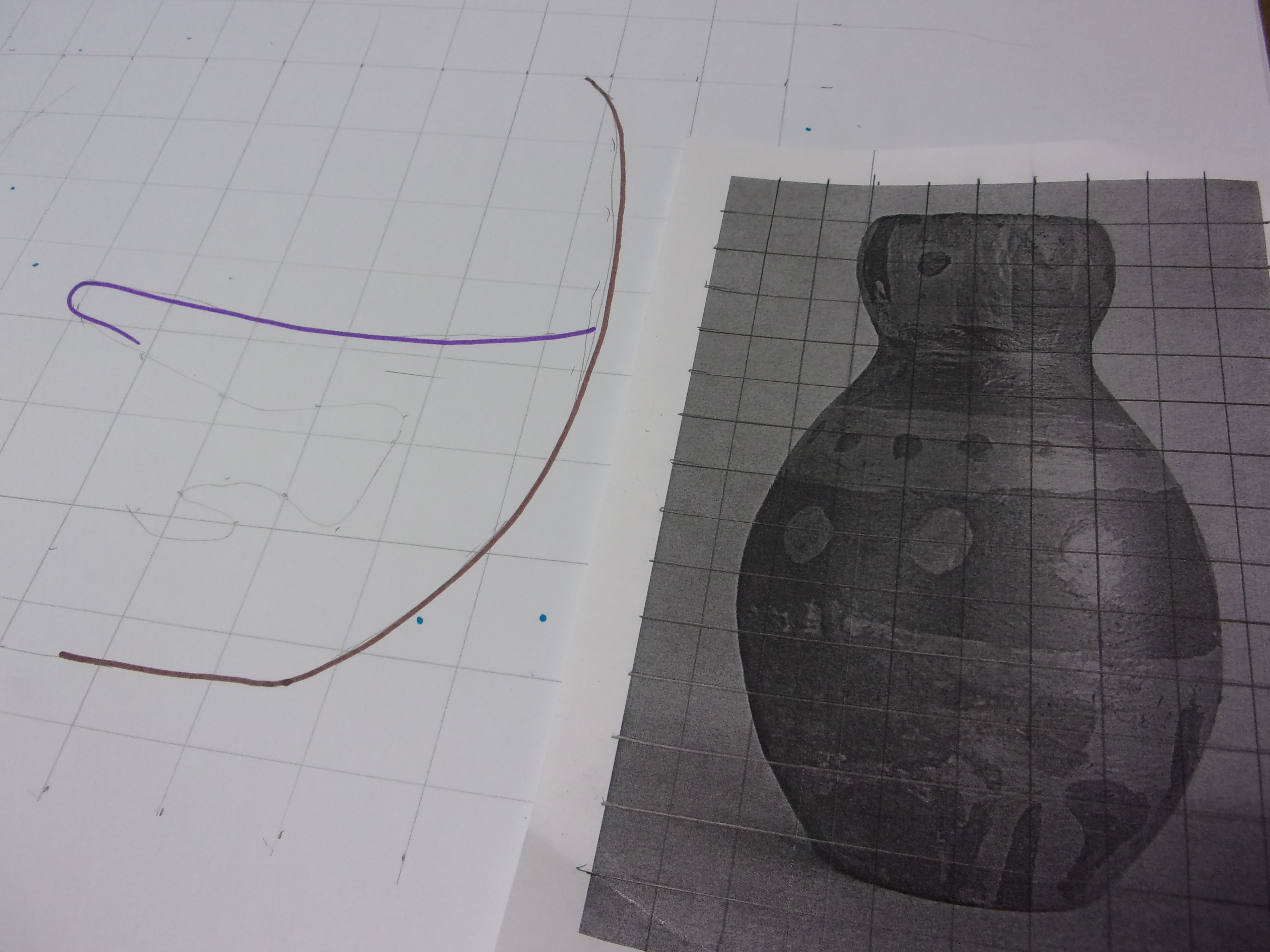 the grid on your chart paper. Copy the lines from the small print to the large paper lightly with pencil until you have the image you want. In both cases, you can see the lines well enough to recreate the image as you present your message verbally. Your students will not see the lines.
 Writing takes time. Use this time to encourage students to take notes as your write. You know they have time to write down important points if you are writing them at the same time. When creating illustrations or charts, students demonstrate improved understanding of processes. They also participate more because they think and reflect as you draw resulting in a livelier class.1 Student participation improves student retention.
 Many organizations confuse training and education. Training is a process of teaching people skills. Education is a process of transferring ideas or knowledge. Often organizations educate people but call it training. People learn ideas and gain knowledge from education. People learn skills from doing the required task. Education is necessary to build skills. Building a skill is not required to aquire knowledge or learn new ideas. This is were the disconnect between education and training occurs. Trainers think passing ideas and knowledge to learners means learners understand how to use the information to complete tasks. For people who posses skill in a given area, this may be true. More often, new learners need practice completing the skill one task at a time after receiving foundation ideas and knowledge. People learn skills by doing.
 In the movie, The Karate Kid, Mr. Miyagi teaches Danny several karate defensive moves through the process of household chores. Miyagi never tells Danny why he is expected to complete certain tasks in the prescribed fashion, only to follow instructions. Eventually, Danny learns the basic skills of karate.
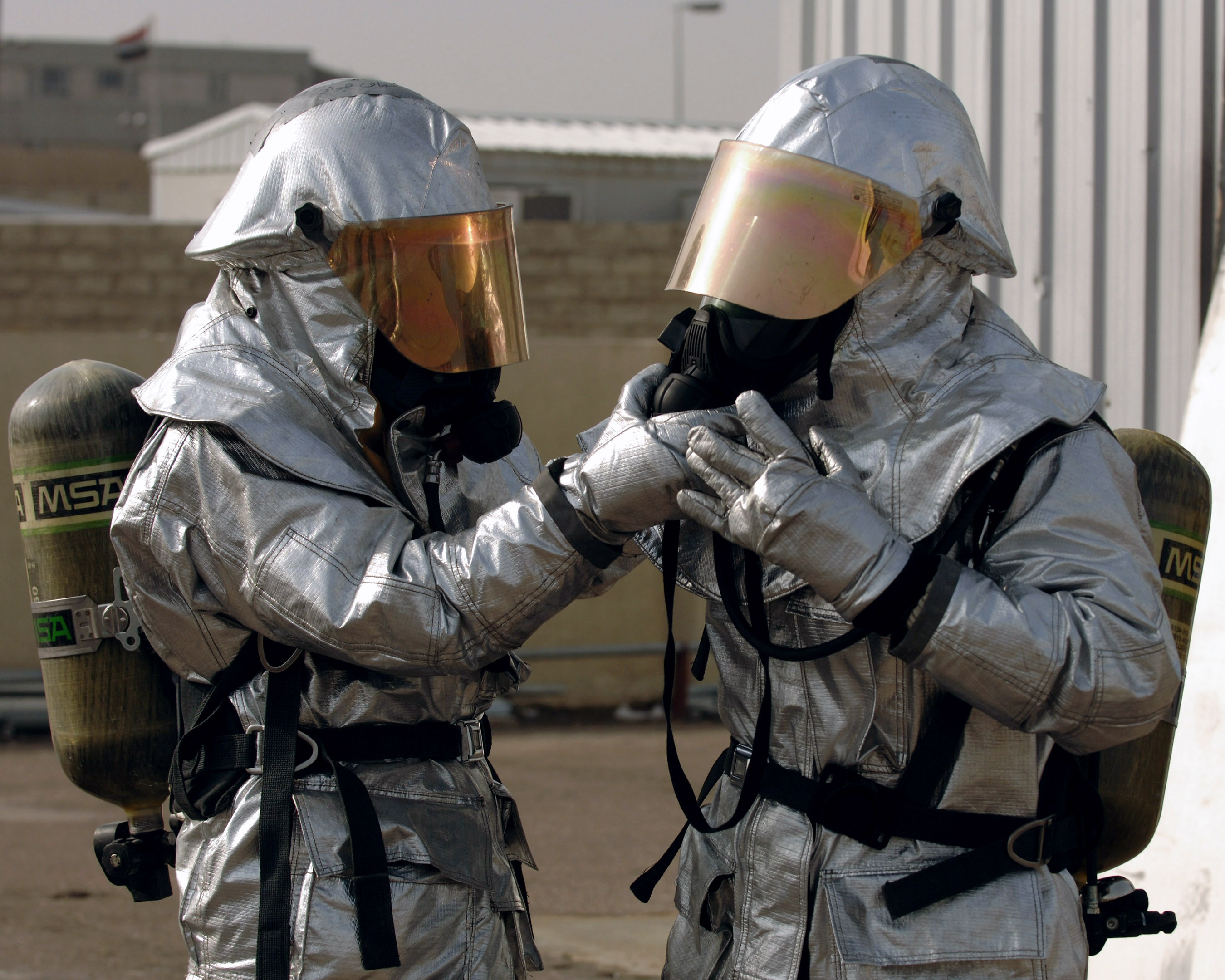 Completing the educational piece of the training sets up students to work on skills. Whether the skill is making a peanut butter and jelly sandwich, conducting an analysis of data, or building a rocket motor to take a space vehicle to Mars, knowledge is the basis of the skill. Skill building exercises begin the process of changing ideas and beliefs into actions to achieve results.
 Every skill building exercise should be developed to allow students to connect the skill to information learned during the educational portion of the training. Connecting knowledge to skills improves understanding so when things go wrong, students can trouble shoot the situation. Teachers and instructors cannot teach students how to respond to every possible situation they may encounter. Connecting skills to knowledge allows students to effectively solve problems in the real world.
 present opportunities to provide additional information and improve understanding. Use mistakes as opportunities to expand student knowledge of how a task step effects the overall skill.
 Ken Blanchard spent many years working to improve leadership, training people tactics and habits gleaned from successful leaders. His philosophy is tell them, show them, let them, correct or redirect or praise them, and repeat (Be, Know, Do. Blanchard). In an earlier training article, I discussed whys to improve knowledge transfer in the telling stage using checks on learning. This article focuses on the show them stage. Having more methods to teach people ensures you connect with as many learners in your class as possible. If you only tell them things, visual and kinetic learns are left behind. There are several ways to show people. This article discusses three methods of showing; pictures, videos, and demonstrations.
 If you create a video, do not simply transfer the classroom lecture to the screen. Use video showing someone doing the skill you are teaching. Sound is not required. You can narrate the action for the class. Consider inserting pauses in the video allowing discussion.
 who only shows a trick once to prevent others from learning how he did the trick, your goal is for students to leave your training knowing the tricks and how to perform them. Repetition ensures your students understand and improves their skill.
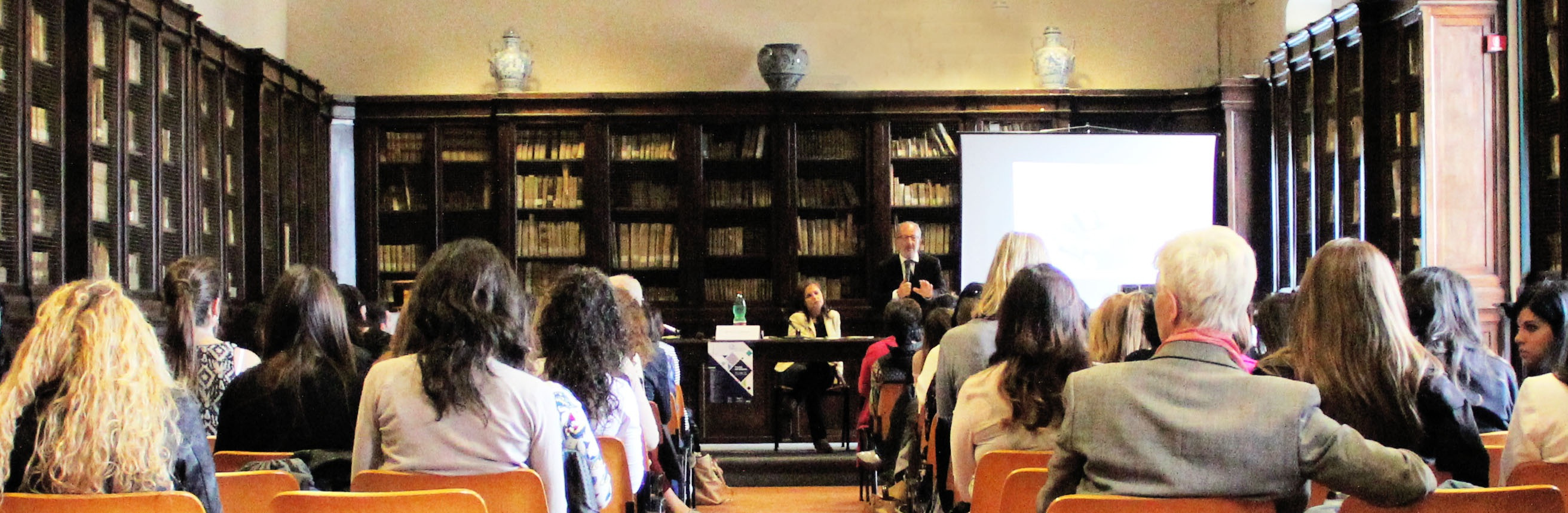 There is a better way to make sure your student learn material and for you to know they learned what you taught. Conduct checks on learning during and at the end of your training. Checking learning ensures they heard and retained what you taught. Two simple ways to check learning are simple exercises and questioning.
 Students and trainers come together for the purpose of transferring knowledge and skills to students. Each has a responsibility to enable learning. The trainer’s responsibility is to ensure the knowledge and skills are received, understood, and usable when students leave the training. Checks on learning completed throughout the lesson provide necessary feedback on the success of the transfer. Conducting a review at the end of class by repeating what you previously said is easy. Completing an in-depth check on learning as a review is harder, but shows what has been learned. Students and instructors can leave the training environment confident the new knowledge and skills have been passed and are ready to be used upon returning to their daily assignments.
 Whether it is a sales pitch to a valuable customer, a strategy about a change in business practice for your boss, or a training for a group of employees, you know you are about to shine. The lights come up and it is show time. At the end of your presentation, you realize things could have gone better. You ask yourself, “What went wrong?” The answer is you failed to rehearse. Rehearsals are an overlooked preparation, separating professionals from amateurs. No actor would ever step foot on stage without rehearsing; neither should you.
 Rehearsals are like proofreading a document. Few professionals would send out their first draft of a letter. The best have others look over the content, for spelling and grammar. A presentation rehearsal accomplishes the same thing. It allows you to find errors before your audience sees the product. Steve Jobs was notorious for rehearsing dozens of hours before any presentation. TED speakers rehearse hundreds of times before appearing on the red spot.
 Time yourself. Practice with the time counting up and counting down. There are plenty of mobile applications available to help you meet your time hacks. You should know where you need to be in your presentation at particular points in time. Move quickly through your introduction. Quick introductions all time to present main points. Leave at the end to fit a quality conclusion. There is an old adage, “Tell them what your are going to say; say it; tell them what you said.” A rule of thumb for an introduction and conclusion is about 10% of your time for each. That leaves at least 80% of your time for the supporting points of your thesis. End a little short of your allowed time is better than running a few seconds long. The best way to nail your time is rehearsing.
 Record your rehearsal; watch your recording. Reviewing your recorded presentation allows you to edit. By the time you are on stage it is too late. Recording your presentation allows you to hear the pace and volume of your speech. You observe mannerisms, good and bad. You hear words that work well, and not so much. The recording allows you time to fix the bad and improve the good.
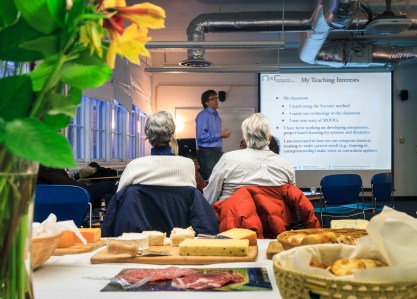 Any popular instruction beyond the basics of how to create slide decks emphasize the importance of graphics. Presenters face challenges finding inexpensive images to really make their learning or persuasion points powerfully. Learning about and finding public domain and Creative Common licensed images liberate presenters from corny clip art and open a world of high quality pictures, clip art, and video free from fees and royalties.
 Flickr is the big name, but not the only source for free images. Google Images provides access to lots of images. Like flickr, not all are free, but like flickr, you can filter your search result to show just public domain or Creative Commons images.
 Pxhere.org images are all Creative Commons licensed with no use restrictions. That means anyone can use or remix any image for any legal purpose according to the website.
  Clip art is more difficult to find, but a good source is openclipart.org. All images are open source. Users should familiarize themselves with the restrictions of each type of license before using images from any source.
 Trainers and leaders need to measure success. Measures of success demonstrate the organization does things correctly and does the correct things. Trained tasks support the organizational mission, the organization’s why. Trainers measure performance and leaders measure effectiveness. Understanding the difference ensures organizations correctly apply the correct measures to tasks by the right people.
