
“In any war story, but especially a true one, it’s difficult to separate what happened from what seemed to happen. …there is always that surreal seemingness, which makes the story seem untrue, but which in fact represents the hard and exact truth as it seemed.” ― Tim O’Brien, The Things They Carried

A war story is just a war story. There are no true war stories. There are some that are blatantly false and made up, told by posers. Most are are recollections. Sometimes they are embellished, minimized, mixed with other memories, or just misremembered. Many people think veterans tell stories to impart some sort of moral or lesson. However, a war story is told to remember a loved comrade, relieve bothersome anxiety, or to get a rise out of the listener. Sometimes the story teller does not know why he tells the story. He just does.
I want to share two war stories today to remember my comrades in arms who died defending freedom. These stories are told from my perspective, what I remember from the time I learned of each death, mixed with conversations of those closer to the Soldier. Fairy tales begin, “Once upon a time, in land far away…” War stories begin, …
(Once upon a time) I remember watching CNN in the day room (in a land far away) at Diyala Provincial Police Headquarter in Baqubah Iraq in late March. There was a report about recent activity in the increasingly violent insurgency. They were showing images of a bridge just outside Ramadi where a truck from the 744th Transportation Company had been blown up by an IED and tossed over the edge. This attack resulted in the first war death of a New Hampshire National Guard Soldier since Vietnam.

SPC Jeremiah Holmes died in that attack. I did not know Holmes, but several Soldier from my battery had been assigned to deploy with 744th. Holmes worked with a Soldier who had been a section chief in my first howitzer section for a couple years. Everyone I spoke with who knew and remembered Holmes described him as a great guy. The 744th held a farewell event for family and friends during Thanksgiving weekend 2003. A picture of him kissing his 10 month old son on the day 744th departed New Hampshire appeared in the paper. That young man never knew his father. Soon he will be learning to drive for himself.
744th arrived a few weeks in Iraq before we did. At the time we felt a little safer being in a fixed site rather than traveling the roads as 744th did. Our sense of safety quickly eroded over the next few days. Attacks around Iraq resulted in injuries to other New Hampshire National Guard members. Two Soldiers from our company were wounded in Mosul, but that is a different story for another time. Even though I never met SPC Holmes, his death changed the way I looked at the war. A few days later the insurgents directed their attention to our humble abode.
The 744th nor SPC Holmes had been in Iraq long enough to learn about IEDs. We all grumbled during training about how sneaky the observer controllers (OC) were about hiding those pesky bombs. On this first attack, 744th learned just how easy the OCs were being on us. The insurgents were experts at hiding roadside bombs. Homes death taught us all an important lesson about situational awareness and the danger we faced during our time in Iraq. This lesson was learned well. The reality was even if we detected 99% of IEDs, it only took 1 missed IED to kill us or a comrade in arms; and that is the beginning of my next story.
I remember (once upon another time…) walking into our Tactical Operations Center (TOC) on 15 October 2004 to see if they knew why our internet connections were not operating. We had been in Iraq for several months and little phased us so the look on the faces of the TOC staff however told me something really bad happened explaining the internet interruption. Before I could ask, the senior NCO walked into the room with the phone we used to call home and secured it in a wall locker. We were in a communications blackout. That could only mean someone died. I hoped it was not one of ours. “What’s going on?” I asked. The answer dashed my hopes as I learned SPC Alan Burgess from the platoon our company had in Mosul died.

The day started like every other patrol in the city. The squad departed the forward operating base and found activity on the streets was normal, always a good sign. The squad and its leader always expected attacks and hoped for uneventful trips. Most days they did find enemy and engaged or were engaged. Today they expected no more, no less.
In fact this platoon had several significant engagements with the enemy during their time in Mosul. In fact one Soldier had been shot in the chest the week SPC Holmes died. After being shot, the squad returned to base and drew a new tactical vest for the gunner and returned to patrol the streets of the city. The gunner and driver had changed places on the second patrol Just before sun rise, the patrol located the insurgents that shot the Soldier earlier and again engaged them in a fire fight. The gunner turned driver dismounted from the armored vehicle, to attack the disable vehicle containing the insurgents. He was shot again but this time in the ankle!
Today was different. The streets were busy. People were engaged in commerce. There was nothing to indicate death awaited them. The squad was stuck in the normal traffic of the city with no where to maneuver. This is exactly what the enemy was waiting for, a sitting duck.
What happened next, happened quickly. A vehicle in the opposite lane charged directly toward the patrol. SPC Alan Burgess saw the danger and began to engage the enemy. According to some witnesses time slowed down as the car came to a stop. According to others time accelerated. Each tells the war story the way they remember it. The driver of the attacking vehicle was dressed all in white, a sign of one who is about to be martyred. SPC Burgess recognized that danger, but a moment too late. As he released his machine gun to seek the safety inside the armored vehicle, the car bomb exploded. Burgess and civilians in the area were killed. Dozens were injured. Alan left behind his girlfriend and four year old son.
Alan was a loved and respected member of the unit. His loss effected everyone in some fashion. Like Holmes death, it served as a reminder about the fragility of life.
Neither story has a moral. The heroes do not live happily ever after. These are war stories, not fairy tales. Sharing these stories however provided me an opportunity to remind people that Memorial Day is not Veteran’s Day. It is a day to remember those who gave all defending freedom. These stories are reminders that real people died protecting freedom. They were not statistics. As members of the National Guard, these two Soldiers are part of a tradition older that the U.S. Army, protecting family, friends, and neighbors from the evil in the world.

As Memorial Day approaches, take time to attend a memorial service. Instead of becoming angry about having to wait for a passing parade, give thanks to those whose sacrifices the parade honors. Ask a veteran to tell you about a lost war comrade. Memorial Day is not about the beginning of summer. It is not about fun and family picnics. It is not a paid, work-free day. It is about remembering those who died so we may live free and enjoy our lives in peace. Remember them.
Photo Credits
- WWII Memorial Stars: pxhere.com, no other information provided. pxhere.com license.
- Gold Star Banner: author.
- Jeremiah Holmes: US Government Photo.
- Alan Burgess: US Government Photo.
- Poppy: pshere. ibid.
More Information
- About Buddy Poppies: http://www.vfwpost4103.org/wp-content/uploads/2013/04/HISTORY-OF-THE-BUDDY-POPPY.pdf
- Veteran cemeteries: https://www.cem.va.gov























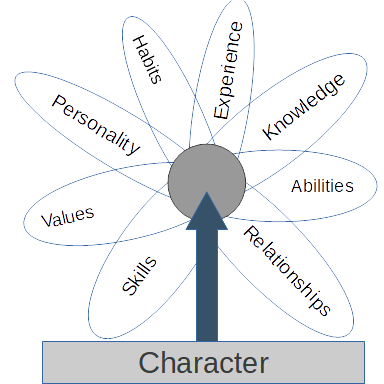 is the sum of a person’s habits and qualities. It is the center of a Venn diagram of your skills, knowledge, abilities, values, relationships, past experiences, habits, and personality. Developing good character helps develop a good reputation, which helps gain influence. Others determine whether or not you are a good leader, or have the potential to be a good leader, by observing common traits in the character of other good leaders. Developing good character traits is within your control.
 That first lesson I learned during field feeding taught me the importance of taking care of those you lead. When your followers know you are taking care of their needs, they know they can focus on their tasks required to accomplish the mission. They know you have their back. That only happens when leaders receive trust from those they lead. Trust turns into respect. Respect creates disciplined organizations. Disciplined organizations accomplish great things in the face of adversity.
 Unlike the other factors discussed above, we only have limited control of our experiences. A person may seek out experiences, but sometimes you have to be in the right place at the right time with an open mind and properly prepared for some experiences. There are plenty of experiences people can control and obtain. You can choose to hike the Appalachian Trail and gain that experience. You can choose to develop a speaking program and present it to several local civic groups to demonstrate expertise in a subject area. Not everyone can go to Harvard, but most people can complete college if they really want and have a college experience. Not everyone can perform in Carnegie Hall, but there are plenty of performance venues if you want to perform.
 The foundations of character date back eons. Periodic reviews, such as this blog, keep lessons fresh in people’s minds. Each of us can change our behavior to improve our character.
 Slide decks are high tech training tools when used properly help improve information transfer by embedding several types of media as well as text. Too often, they become little more that a high tech chalk board. You remember chalk boards, those black things teachers wrote text on they wanted students to remember. If a teacher took time to write something on the chalk board you know it was likely to show up on the next test. Most slide decks fail to emphasize what is really important. With so much text, there are no powerful points in text based presentations. Like a chalk board, an easel with chart paper is a low tech teaching tool that is portable.
  Yes you can write words on chart paper which may serve as a tool to share important points. You can also use chart paper to record students thoughts and ideas during a class discussion. You can pull out those ideas later in the class to reinforce important learning points. When well planned, a good trainer draws a picture as s/he speaks, really draws on the pad a picture. Students are amazed at the trainer’s ability to draw while speaking. Using chart paper effectively in training takes planning, preparation, and practice.
 Using a facilitated discussion allows students to share what they already know. This knowledge may not be known to everyone in class. This method involves the student. Student involvement increases information retention. If this information is foundational to later points in your lesson and you intend to refer back to it, chart paper is the perfect method of capturing and presenting these points.
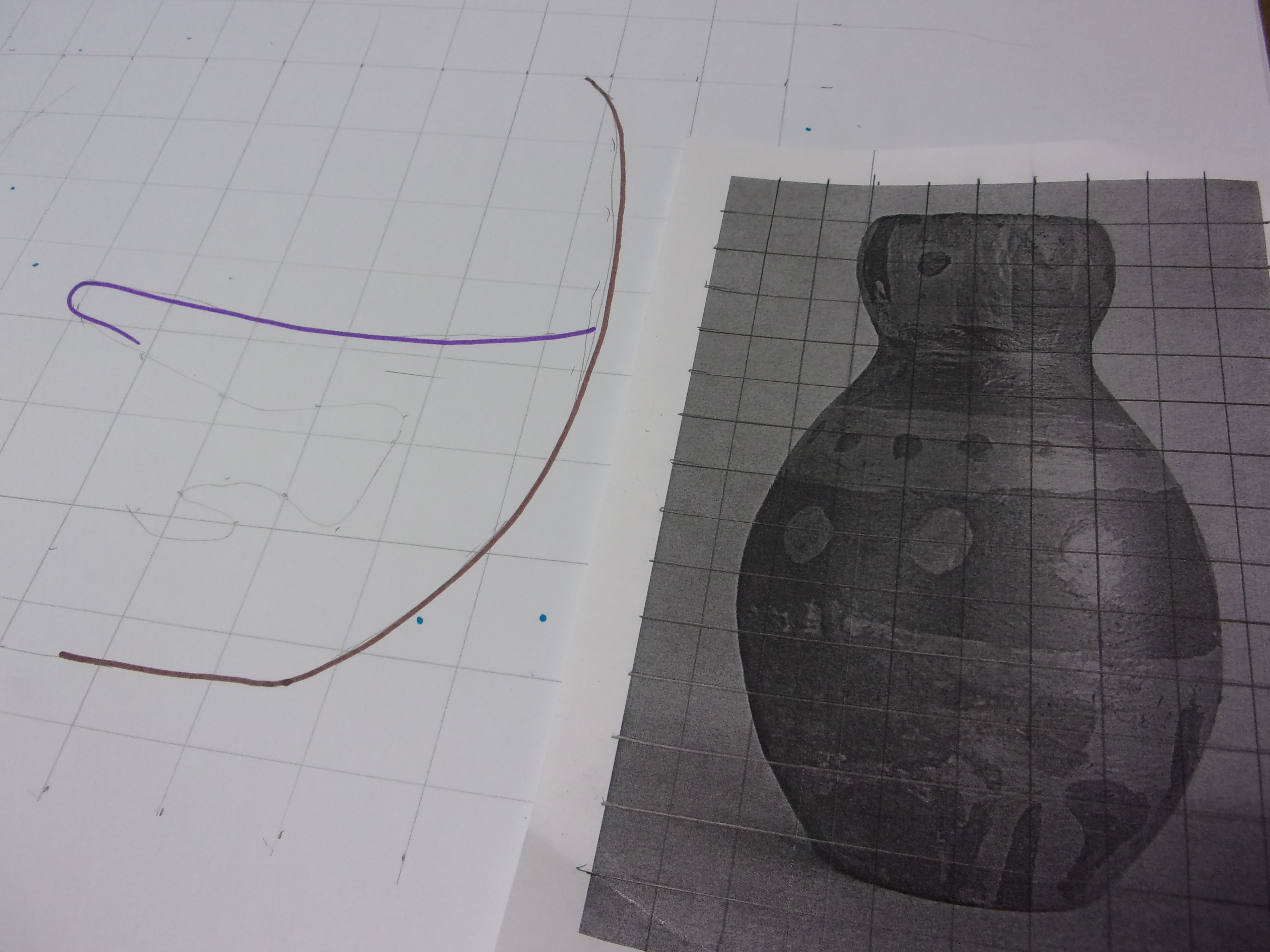 the grid on your chart paper. Copy the lines from the small print to the large paper lightly with pencil until you have the image you want. In both cases, you can see the lines well enough to recreate the image as you present your message verbally. Your students will not see the lines.
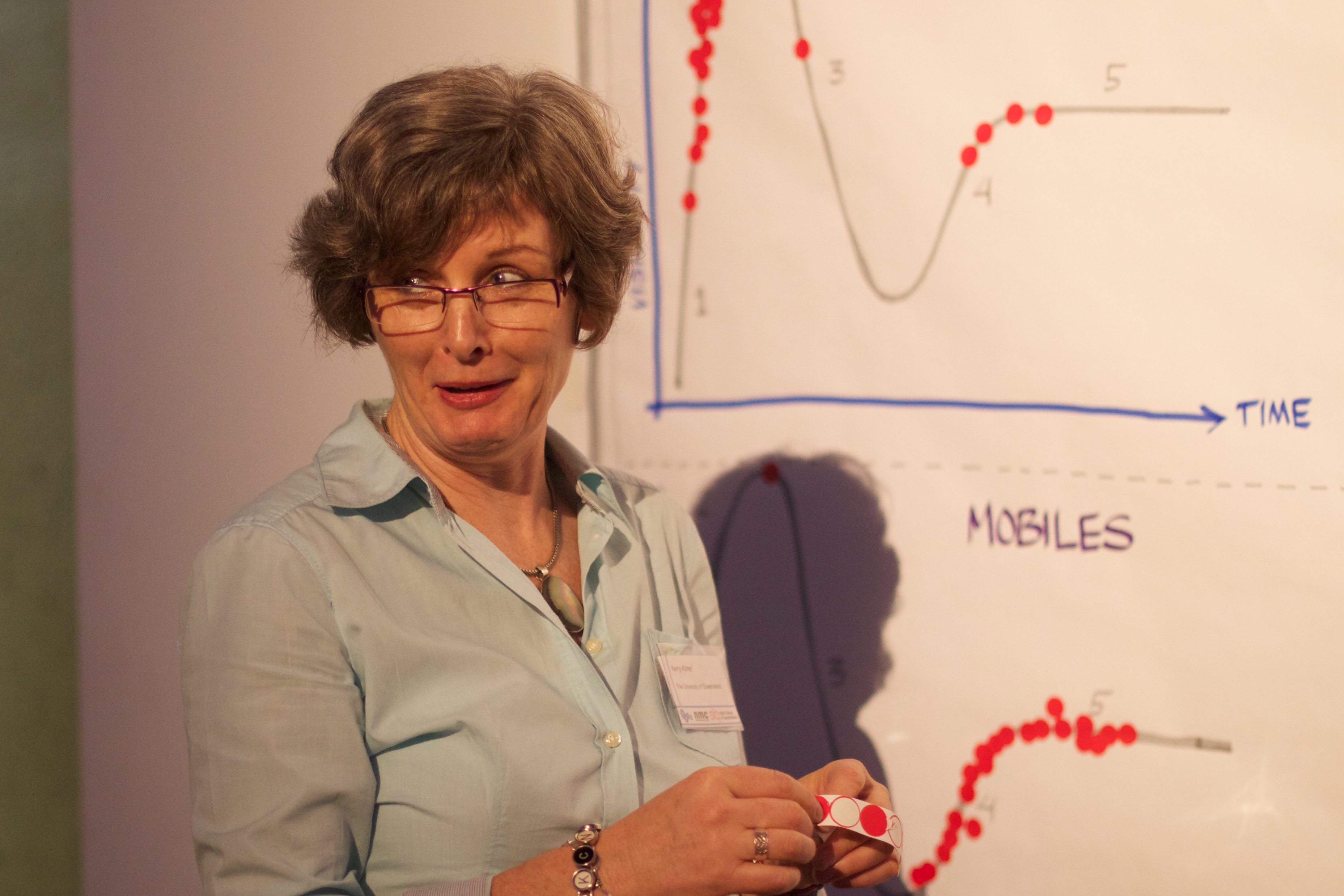 Writing takes time. Use this time to encourage students to take notes as your write. You know they have time to write down important points if you are writing them at the same time. When creating illustrations or charts, students demonstrate improved understanding of processes. They also participate more because they think and reflect as you draw resulting in a livelier class.1 Student participation improves student retention.

 Some decisions should be delayed, but most can be made quickly. Making decisions at the correct point frees the time by avoiding waffling that robs not only your valuable time, but also energy. Avoid going back and forth over the same options. Making a decision at the appropriate time eliminates stress, confusion and anxiety you feel about making mistakes. Most decisions fail to work out as planned requiring adjustments along the way. Taking greater control builds your trust with others and your confidence to make good decision. Decision-making skills are like exercise. When you exercise more, you develop fitness factors that increase your physical ability. Making decisions increases your self-confidence and your ability to make better decision. You create positive momentum because it’s easier to make decisions when you believe in yourself and your abilities.


 Many organizations confuse training and education. Training is a process of teaching people skills. Education is a process of transferring ideas or knowledge. Often organizations educate people but call it training. People learn ideas and gain knowledge from education. People learn skills from doing the required task. Education is necessary to build skills. Building a skill is not required to aquire knowledge or learn new ideas. This is were the disconnect between education and training occurs. Trainers think passing ideas and knowledge to learners means learners understand how to use the information to complete tasks. For people who posses skill in a given area, this may be true. More often, new learners need practice completing the skill one task at a time after receiving foundation ideas and knowledge. People learn skills by doing.
 In the movie, The Karate Kid, Mr. Miyagi teaches Danny several karate defensive moves through the process of household chores. Miyagi never tells Danny why he is expected to complete certain tasks in the prescribed fashion, only to follow instructions. Eventually, Danny learns the basic skills of karate.
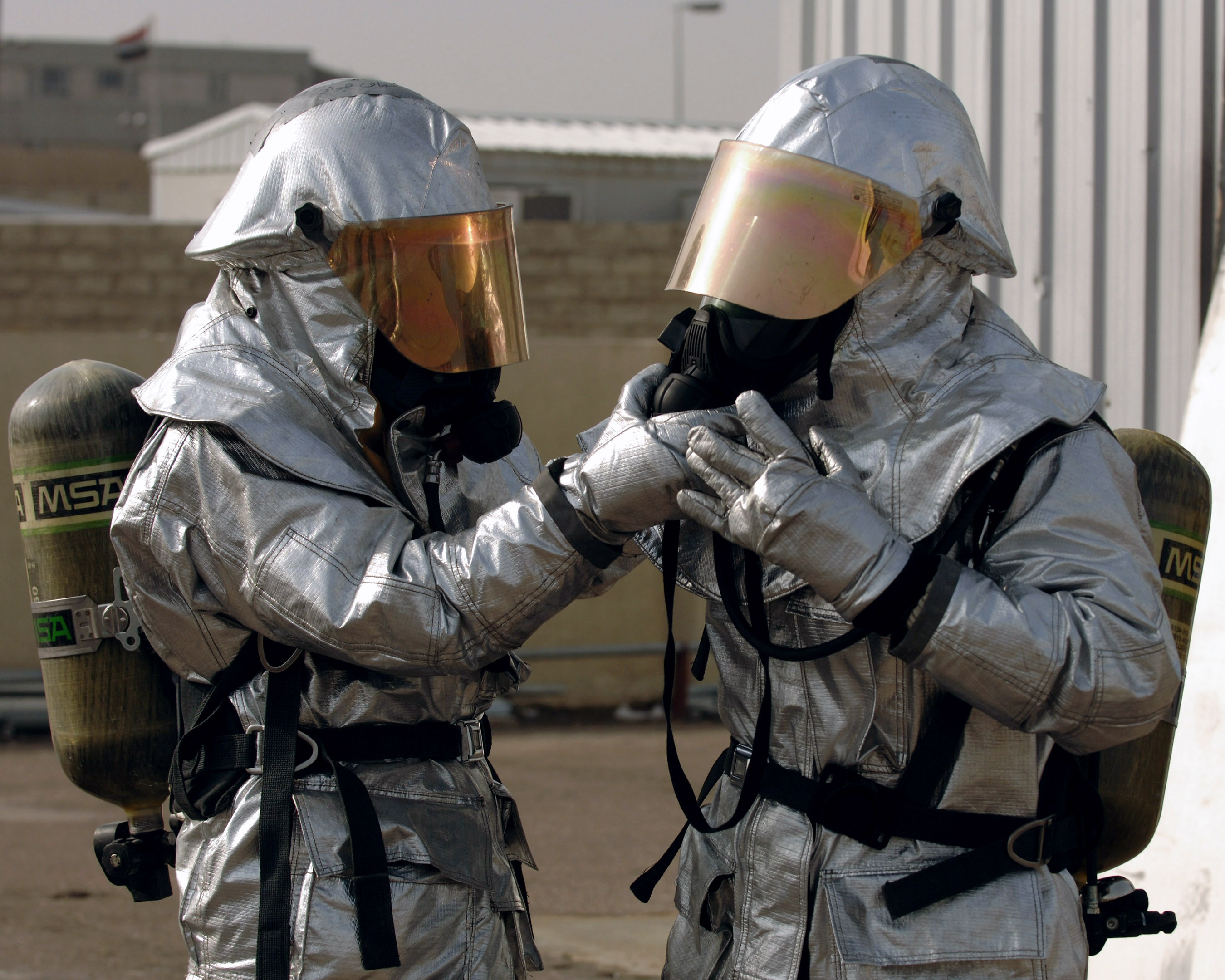 Completing the educational piece of the training sets up students to work on skills. Whether the skill is making a peanut butter and jelly sandwich, conducting an analysis of data, or building a rocket motor to take a space vehicle to Mars, knowledge is the basis of the skill. Skill building exercises begin the process of changing ideas and beliefs into actions to achieve results.
 Every skill building exercise should be developed to allow students to connect the skill to information learned during the educational portion of the training. Connecting knowledge to skills improves understanding so when things go wrong, students can trouble shoot the situation. Teachers and instructors cannot teach students how to respond to every possible situation they may encounter. Connecting skills to knowledge allows students to effectively solve problems in the real world.
 present opportunities to provide additional information and improve understanding. Use mistakes as opportunities to expand student knowledge of how a task step effects the overall skill.
