
Welcome to 2026. If you are like many people, you set a formal or informal resolution at the beginning of the year. So did many of the people you lead. Depending on the source, Quitter’s Day ranges from January 9th until the last week of January. According to Forbes, 22% or people who make New Year’s Resolutions last until the end of March before quitting. Imagine if your organization ran that way. Even if you find yourself struggling, or have actually given up on your resolution, you can begin again. As a leader, you have an obligation to help your organization accomplish its stated mission within its guiding principles. You can only do that if you have people you lead that know how to set and accomplish goals that support your team’s work. While I have written an number of posts in December in January about accomplishing goals on a personal level, and helping employees set and achieve goals, it seemed to me that a series this year might help more people and leaders accomplish personal and professional goals. So, I will post a series of essays intended to help leaders achieve goals, and offer methods to assist their followers achieve theirs too. When those you lead succeed, you and your team succeeds. Your followers become self-directed, reducing the amount of time required for direct supervision. Your team becomes more responsive to the needs of the organization, creating greater trust, and opportunities for bigger, better assignments. This series will cover the goal setting process, setting and documenting SMART goals, conducing assessments to ensure goals are nested within organizational goals, how to measure success, how to work with employees to help them do these tasks, and how to conduct regular check ins to ensure progress and success.
The Goal Setting Cycle is a process leaders use to set goals for themselves, their teams, and to help those they lead. The first step is assessing the current situation. Determine where you want and need to go. Periodically look around to ensure you are still moving toward your goal. Identify mistakes you’ve made so you can learn from them. Develop a plan to apply lessons learned. Upon achieving a goal, begin the cycle. See my post on Slide Share; https://www.slideshare.net/slideshow/goal-achieve-cycle/43107761
Setting goals well is an important part of the process. SMART is one model of goal setting.
- S=Specific
- M=Measurable
- A=Attainable
- R=Relevant
- T=Time bound
Document SMART goals using a product such as the goal setting worksheet at this link. Your goal should include all the elements of the SMART model. Include task steps and methods of measuring success. Use this worksheet with your employees to improve their effectiveness. Documenting the agreed goal keeps memories fresh as the goal is reviewed in the future.

-Photo by cottonbro studio: from pexels.com.
Nest goals so they support the leader’s goals, which in turn should support the goals set by the organization. Goal nesting ensures that everyone is pulling in the same directions and reduces friction within the team, and between teams. Take time to analyze personal and professional goals with your employees, ensuring alignment with organization’s mission and goals.
There is no point in establishing goals without measures of success. There are generally two types of measures, performance and effectiveness. Performance measures compare actual behaviors against agreed upon performance of processes. Effectiveness measures determine if the correct performance behaviors actually result in desired changes defined in the goal. If you cannot identify appropriate measures of success, you do not understand the problem yet. In your analysis, identify the current starting point. Identify lead and trailing indicators. Write down the performance and effectiveness measures agreed to between the employee and leader.
As a leader, you need to work with those you lead to set and develop goals. Remember, leaders are measured by the number of leaders they develop; establishing goals is the first step to developing people. Helping others set and achieve goals sets a good leadership example and builds trust, the cornerstone of leadership. When employees know what is expected of them, they focus on the things they understand are important. This helps you prepare accurate evaluations that demonstrate their growth. Share the SMART model and demonstrate how to use it. Assist employees to create goals that support the organization’s mission and develop clear metrics of success with them. Learning to ask questions that require them to think, rather than suggesting answers and solutions, spurs growth.
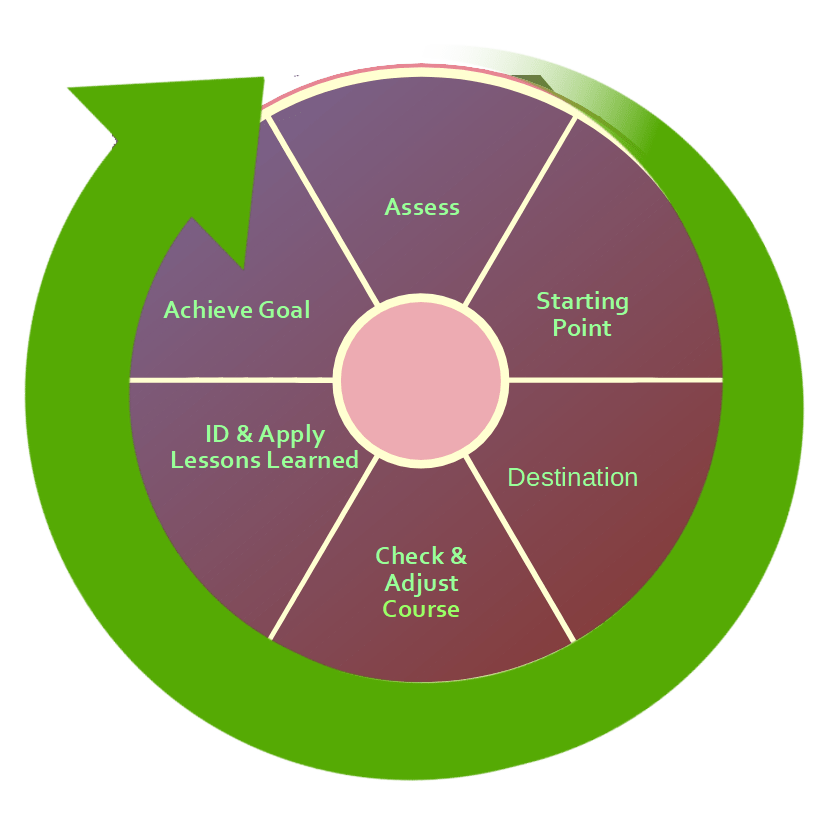
-Graphic by author
In the goal setting cycle, one step is to check your progress. As a leader, that means you meet with your people to check their progress. Require them to bring their goal worksheets. Compare their performance to agreed on measures. Teach them to assess their progress and determine if their processes create effective change. Coach them to solve the differences. Work to develop plans addressing shortfalls. As you work your way through this process, consider the developmental level of the employee. Update the goal work sheet to close the session.
Moving forward, each post will address one of the above topics in greater detail. Following these steps grows your followers and helps them accomplish goals they only dreamed of achieving. Understand the goal setting cycle. Teach them how to set SMART goals. Use a goal setting worksheet. Ensure goals support organizations goals. Create measures of success. Work with your followers to create achievable goals so they can grow and help the organization succeed. Meet regularly with them to assess their progress and help them adjust as necessary. These steps help them succeed. Their success helps you and your team succeed. Your success improves your organization’s success. At the end of the year, when people talk about failed resolutions, those you lead can brag about their achievements instead. Not only will this process help those you lead and grow, you will also grow as a leader, opening bigger and better opportunities for you and your team. Follow along and achieve your goals.
References
Aruwayo-Obe, G. (2026) Kotter’s 8-step change model. The LeadXI Company.
Blanchard, K., Zigarmi, P., & Zigarmi, D. (2013). Leadership and the one minute manager: Increasing effectiveness through situational leadership II (Updated ed.). HarperCollins.
Davis, S. (N.D.) New year’s resolutions statistics. Forbes. Health Page. Retreived from: https://www.forbes.com/health/mind/new-years-resolutions-statistics/ on 1/21/2026
Duhigg, C. (2012). The power of habit: Why we do what we do in life and business. Random House.
Stanier, M. B. (2016). The coaching habit: Say less, ask more & change the way you lead forever. Page Two Books, Inc.
Wise, W. (2017). Ask powerful questions: Create fresh connections. Weeva.

