
-Photo by author
As a young Soldier, I struggled with the Army’s physical fitness test. It was not the whole test. I generally maxed or came close to maxing the push-up event. I did pretty well in the sit-up event. The run however was a different story. I often failed the run, even when I had been running regularly. It was a weakness that could derail my military career. I could carry projos up and down the gun line all day. I always scored high on the written gunner’s safety exam. Evaluators would give me the most difficult missions for the hands on test. Regardless of how refined my artillery skills were, I would be put out of the Army if I did not find a way to pass the run. While I always encourage others to lead from their strengths and find others to fill voids, there are some personal or organizational weaknesses that leaders must recognize, acknowledge, and strengthen to avoid failure in an otherwise successful venture. For me, that was my run.
Assessing weakness is an important part of the strategic planning process. Understanding vulnerabilities allows leaders to create plans for those areas that will cause failure by developing procedures to monitor them, or finding another way to look after them. People and organizations should always play to their strengths. However, failing to recognize critical areas of vulnerability can cause failure. Identifying these critical weaknesses is the second internal evaluation an organization conducts during a strategic planning assessment.
Look for weakness in the same areas you look for your strengths. Conducting your weakness assessment at the same time as your strength assessment saves time. Remember, some of the areas to consider include:
- Processes and operations
- Human Resources
- Communications
- How your weaknesses are amplified by industry trends
- Quality controls
- Leadership and leader development
- Safety, and
- Employee training.
Over the years, I served, and continue to serve, on Boards of Directors and Advisory Boards for nonprofits. A number of years ago, I served on an Advisory Board of a prevention program for one nonprofit. This program existed for about eight years, when the second chief executive decided it was time to retire. The Board of Directors hired a new CEO who was overwhelmed, and paid little attention to the prevention program. The Advisory Board made several attempts to engage the new CEO. They were ignored. Members approached the BOD Chair, who in turn raised the issue with the CEO. The success of the prevention program was part of his overall job.
Sadly, the program failed in less than two years of the new leader taking charge. Many at-risk youth served by the program ended up becoming involved in criminal activity. In time, the Board of Directors challenged the leader’s lack of success in other areas. The Board Chair communicated to the CEO that if he did not implement change, he would be dismissed. The CEO could not see how the prevention program fit into the over all operational scheme the Board viewed as essential. His blind spot for prevention was a glaring weakness he would not address. The CEO left the organization before e was fired, but not before causing grave damage in other areas of this previously thriving organization. It took his replacement more than three years to repair the damage. The CEO failed to recognize his weakness in operating the prevention portion of his program. Their people ready to accept the challenges of running the program and fill the CEOs lack of experience in running prevention programs, but instead, he would not allow people to take action. He wanted total control, which was ultimately caused the problems in other areas. His failure to fill that void was a fatal weakness.
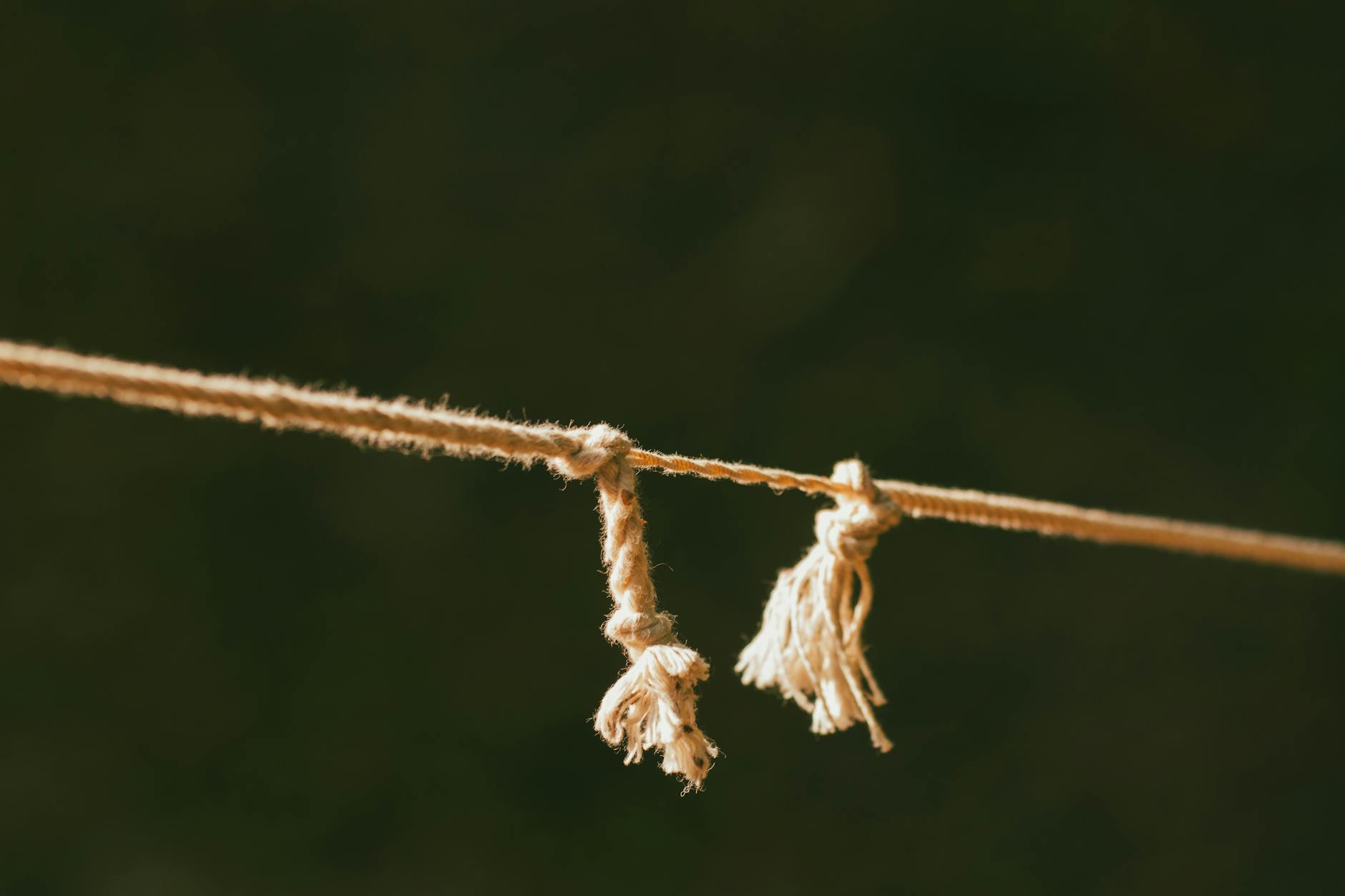
-Photo by Barnabas Sani on Pexels.com
While evaluating weaknesses, remember not all weaknesses are equally threatening. Focus on fixing those that will cause you to fail so you can dedicate the greatest number of resources to building your strengths. Going back to the opening story, my run was not my only weakness as a leader, but it was a fatal flaw if I did not address it. When examining weakness, look for those that will cause complete failure if not addressed.
When I retired from the Army, my run had become one of my strongest events on the physical fitness test. I found people to coach me. I changed habits. Even as I grew older, my running scores continued to improve without sacrificing push up and sit up scores. People actually started calling me a runner! I also continued to build on my other strengths, like becoming a more coach-like leader year after year. Allowing people to understand the task and letting them execute within the established limits, even if the way they accomplished the task was not the way I would do it.
When examining your organization’s weaknesses, identify your fatal flaws. Plan to fix or fill those gaps so that weakness does not crush your organization. Continue to build your strengths. At the end of your strategic plan life, you may find your weakness has become a strength instead of your downfall.
References
Collins, J. (2001). Good to great; why some companies make the leap…and others don’t. HarperCollins Publisher. New York, NY
Kinicki, A. & Williams, B. (2008). Management; A practical introduction. (3d Ed.). McGraw Hill Irwin. New York, NY.
Morreale, S (October 21, 2009). Executive Strategic Thinking. [Training Presentation] Command Training Series: Executive Development Course. New England Association of Chiefs of Police. Held at Roger Williams University, Bristol, RI
(c) 2025 Christopher St. Cyr

