-Photo by author
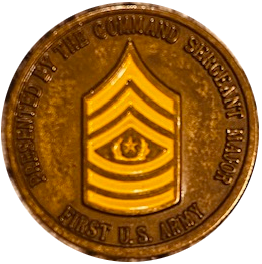
April, 1998, I found myself attending drill in Orlando, FL with the New Hampshire National Guard State Command Sergeant Major. On this drill weekend, the rest of my battery was in Jericho, VT shooting howitzers in the snow while I enjoyed beer in a hot tub in Florida. I had been selected as the 1997 Noncommissioned Officer of the Year for the New Hampshire Guard. The eastern regional competition was in Orlando that year. Someone else won the competition at this level, but all the competitors received a challenge coin from the First Army Command Sergeant Major, CSM Kenneth Cummings. This was my first, but not the last, challenge coin I received in my military career.
Challenge coins are an old military tradition. If you research internet sources, you will likely find versions of three stories about the origin of challenge coins. The first dates back to Roman times, when the leaders of Roman Legions had coins minted with the Legion emblem. They were awarded to Legion Soldiers for honorable actions. The next is a story of a World War I pilot who feared he or members of his unit would be shot down behind enemy lines and then shot by allied forces while attempting to cross into friendly territory. He had tokens minted with the unit heraldry and issued them to all the pilots for proof of identity. A third common story dates back to watering holes in Vietnam. Soldiers who lacked some memento to prove they had engaged with the enemy in close combat were required to buy everyone in the club a round.
However, there are two other stories I know related to challenge coins. The first is from an episode of Turn, a television series about GEN Washington’s spy network. In this episode, one of the characters is challenged to prove he is a member of the network. He produces a coin, mixed in with other coins of the land, to show he works for Washington. Another story is in the book written by COL (r) David Hackworth, About Face: The Odyssey of an American Warrior. I would cite the page of this story, but I am not digging back through a 900+ page book to find it! COL Hackworth tells a story about issuing every Soldier in his Battalion a card with his personal and operations center’s contact information. Every Soldier was required to carry the card with them at all times. If they found themselves in some sort of trouble, they could call for help. This card was an inspectable item. Members of the Battalion were often challenged to produce their card.
-Photo by author.
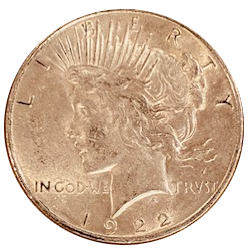
Another coin tradition is that of the First Salute. Upon receiving his or her commission as a Second Lieutenant, Officers give a silver dollar to the first enlisted Soldier to render them a salute. Today that tradition is built into the commissioning ceremony. Near the end of the ceremony, each new 2LT is called forward to receive his or her first salute. The enlisted person is selected by the new Officer and is commonly a person who had a positive influence in their life.
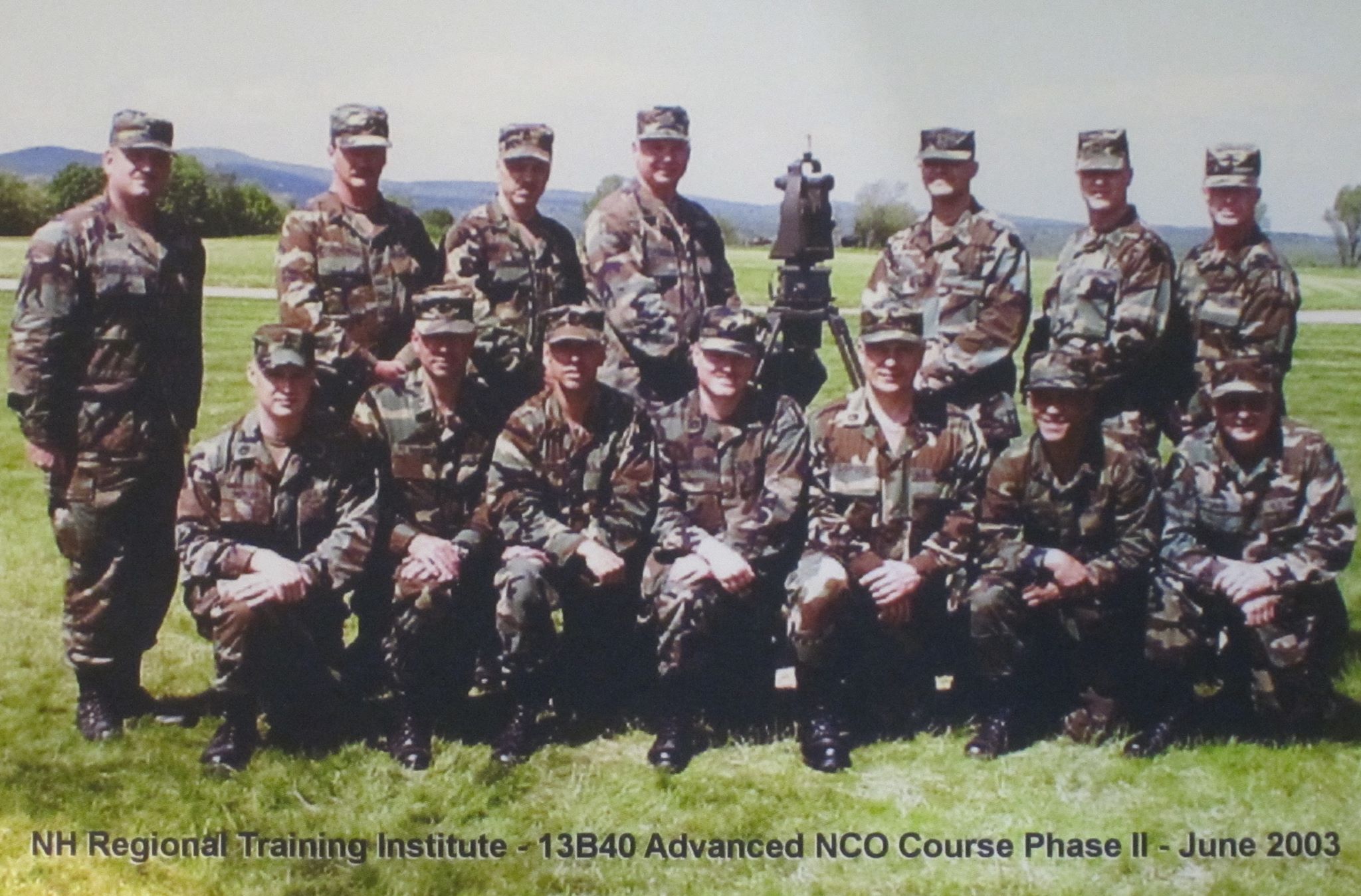
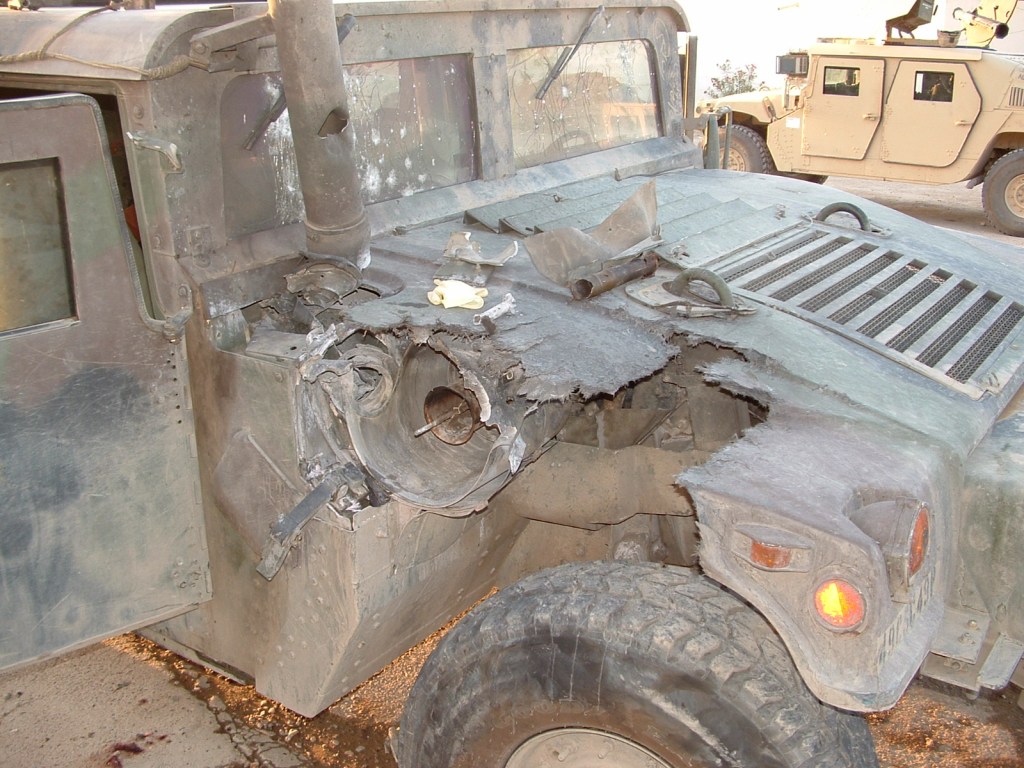
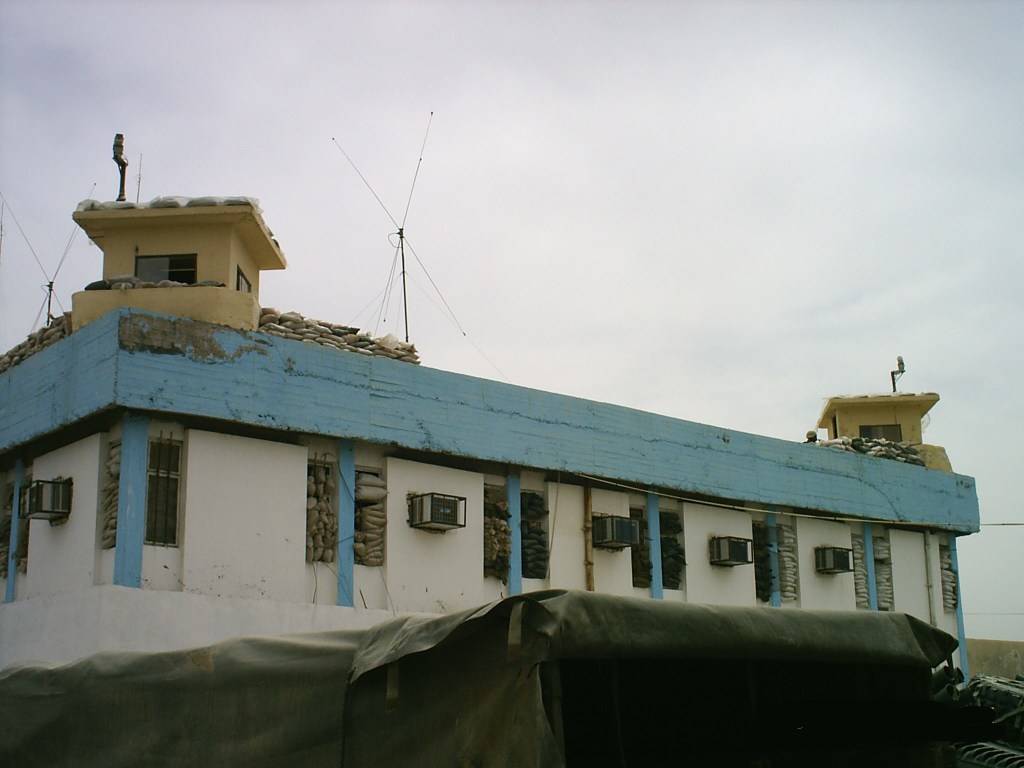
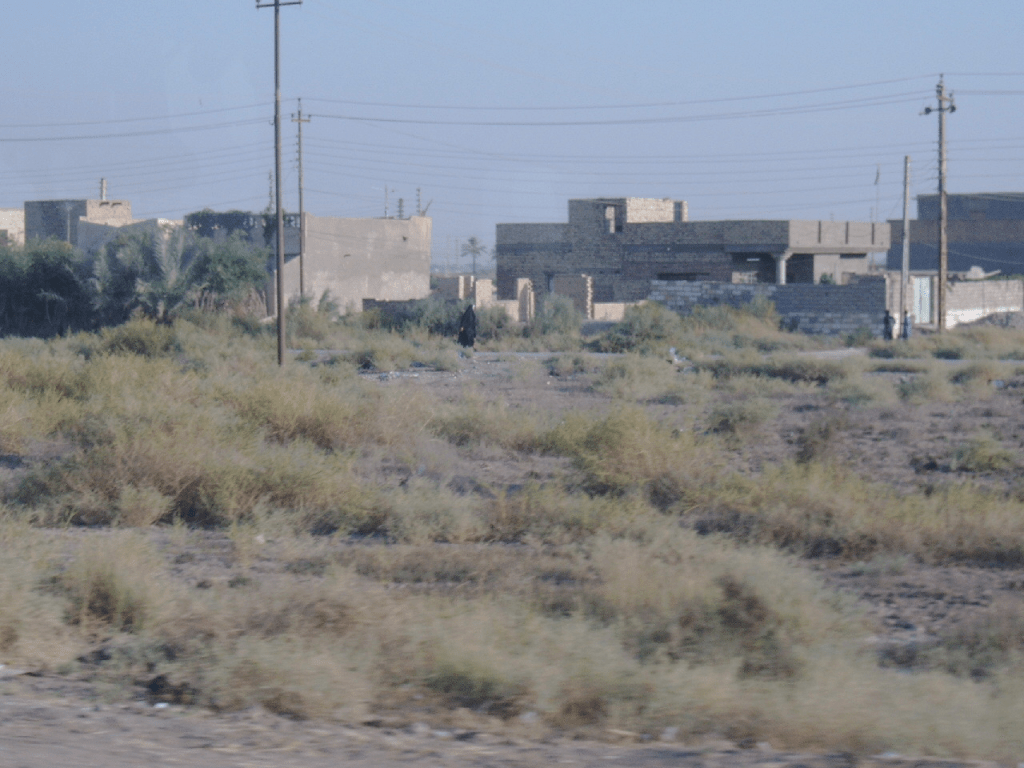
In 2004, I was deployed to Baqubah, Iraq along with about 100 other American Soldiers at a downtown Police Headquarters. SGT Peter Krauklin was one of the Soldiers who worked in our operations center, the vital communications link between the Soldiers guarding our tiny perimeter, out on patrol, and with our higher headquarters. Krauklin was a last minute addition to our unit when it was activated. He had zero friends or acquaintances when he arrived. While I cannot say I went out of my way to make him feel part of the team, that is my method of operation. After my second deployment, I was promoted to Master Sergeant and reassigned to the Modular Training Company,195th Regiment (NH Reg Tng Inst) as the Chief Instructor. I was required to complete several training programs to be qualified, including the Platoon Leader Trainer Qualification Course, conducted by the 195th’s OCS Company. A student in that class was OC Peter Krauklin. When OC Krauklin completed OCS the following September, he selected me to present his first salute at his ceremony. Of the many coins I have, the silver dollar I receive from 2LT Krauklin is one of my most cherished.

-Photo by author
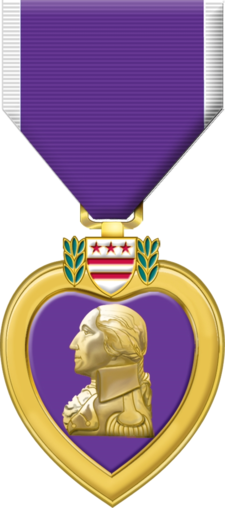
I often encourage others to do more than thank service members and veterans for their service. Instead, ask them to tell a story about a memorable time from their service. One way to get a vet to open up is asking if they ever received a coin. Ask if they have it with them and to tell the story of how they received it. Many times military members, past and present, have official awards and medals, but for personal reasons, they may not want to talk about them. Coins however are unofficial awards, or sometimes personal purchases to remember a place or event. Soldiers want to talk about those situations. Asking about their coin is one way to better understand the service and sacrifice of those serving or served in the military.
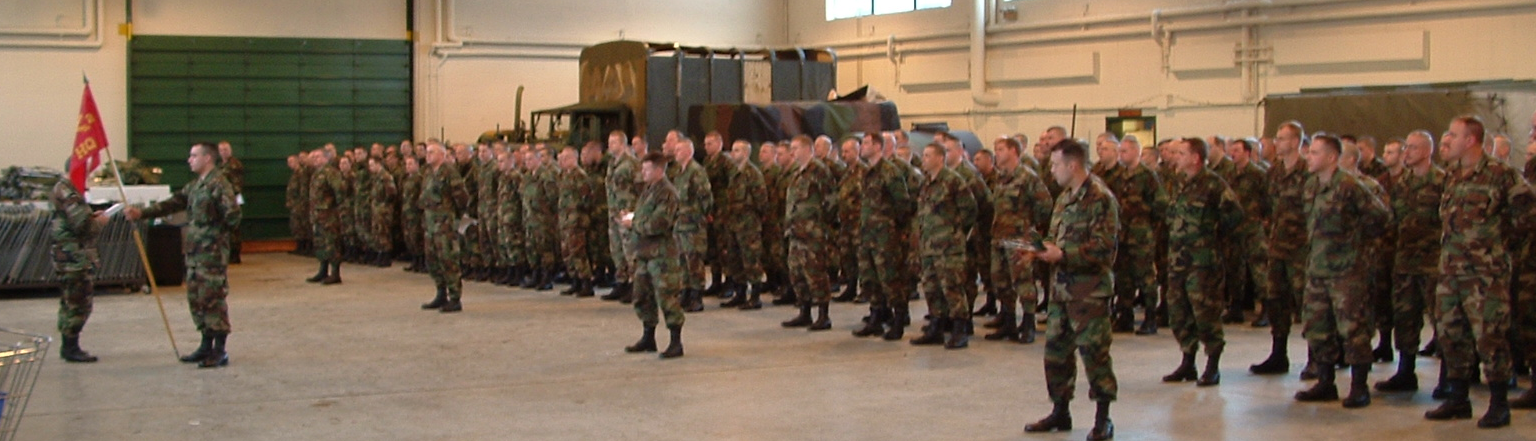
Units will often mint coins for their members to memorialize specific events. The coins will be available for members through purchase or provided by leaders with their own funds. One of the most common reason for every unit member to receive a coin is deployment. A company or battalion will design a coin that is specific to service in that period of time. Such coins are completely appropriate with the history of challenge coins, as the only way to receive a copy of that particular coin is to belong to the unit at the time of issue.
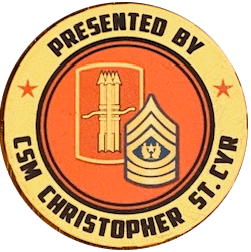
While the origin of challenge coins will never likely ever truly be known, they have become a symbol of belonging. Coins represent the stories of a Soldier’s career. Those small tokens represent their participation in events that become history. Coins demonstrate recognition for accomplishments, belonging, and excellence. Each has its own story of service, sacrifice, honor, and is part of the legend of military service. When you see a current or past service member, after thanking them, ask if they have a challenge coin. Then ask them to tell the story of their coin. You can bet that no matter how few or how many she or he has, they can tell you the story of each of them.