– photo by author
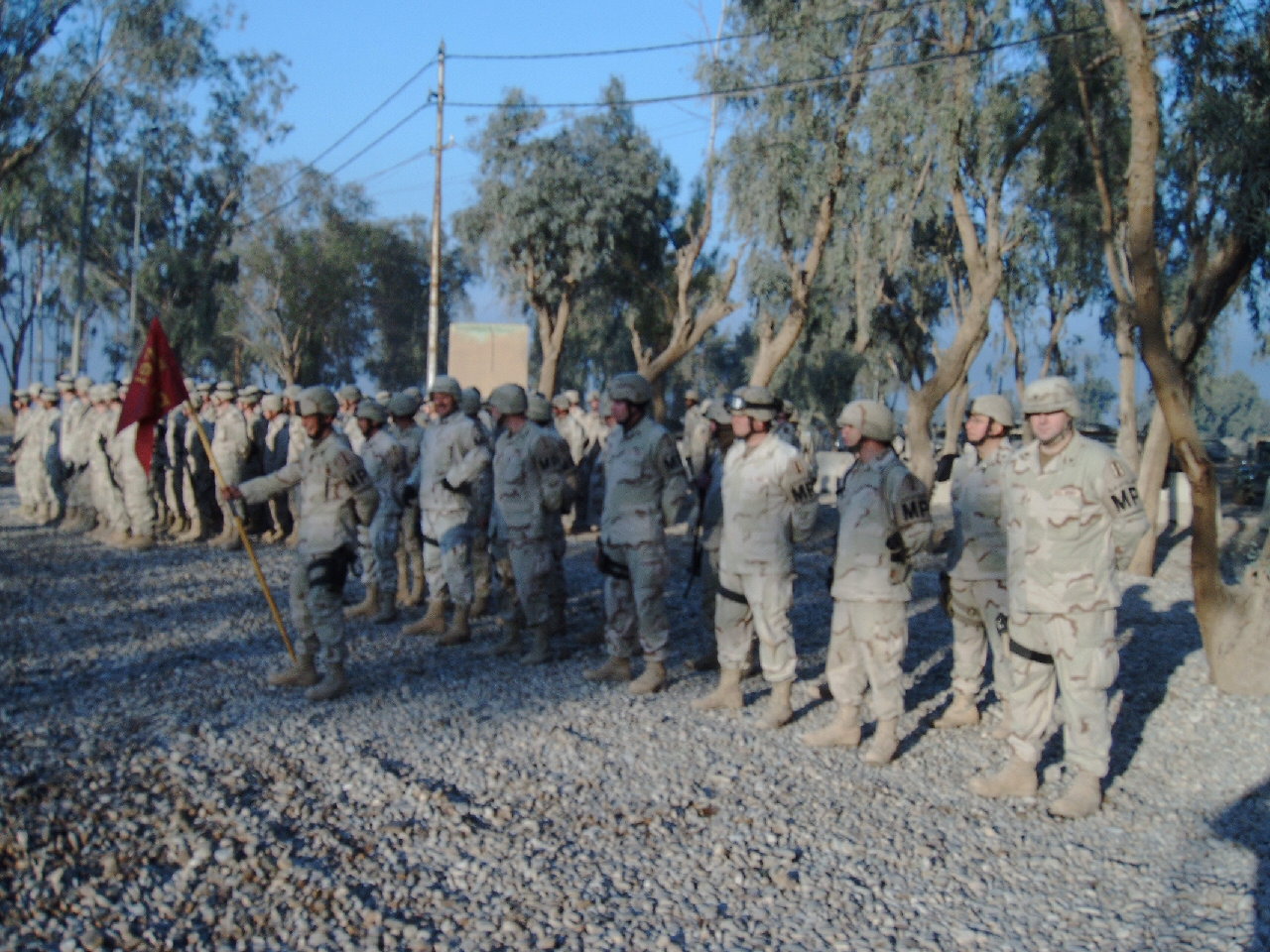
This is a true story as I remember it which means what I remember and the way I remember might be different from the way others remember it. October 15, 2004, was a normal day, if a day on deployment could be called normal by US standards. There was occasional gun fire, and the sound of periodic explosions. The streets were full though, the sun was out, and it was hot. However, things would quickly change, as they often did during our 2004 deployment. I was that platoon sergeant of 2nd platoon in HQ Battery (forward), 2nd Battalion, 197th Field Artillery Regiment, deployed as MPs. We also had a headquarters platoon, and three other numbered platoons. Our MP Company was assigned to serve in Baqubah, Tirkrit, and Mosul. While the 15th of October started normally, it did not end that way.
Second battalion was tasked with providing an in lieu of Military Police Company for Operation Iraqi Freedom in 2003 to begin in 2004. MP companies, unlike field artillery batteries, are not all the same. We were tasked to provide a 200 Soldier company. A field artillery battery has about 100 Soldiers. Clearly, our battalion would have to assemble Soldiers from all the batteries to make on MP Company.
A number of Soldiers from my organic field artillery platoon were divided between third and fourth platoons. I had Soldiers mostly from Headquarters Battery and Bravo Battery. Having previously served in Bravo, I knew many of the leaders. Most of the rest of Bravo had also been assigned to fourth platoon. By the end of our mobilization training at Ft. Dix, NJ, everyone had come to know everyone else.
We arrived in theater in February 2004. Each platoon had slightly different missions. By October, each was doing their thing well.
On 10/15, squad from fourth platoon, HQ/2/197 FA (ILOMP) was patrolling the city of Mosul. Having arrived the previous spring and working with the 293rd MP company (they were real, regular Army cops), they had become familiar with the city, its people, and rhythm. This day was not remarkable until the squad found themselves hemmed in, in traffic at a stop light.
At this time of the war, the Army was using unarmored, add on armored, and up armored HMMWVs for much of its patrol work. There were Strikers in Mosul, but there were far more HMMWVs. Our company had up armored HMMWVs. The armor saved Soldiers on many occasions, including Soldiers in second platoon.
Gunners were the most exposed crew members. Machine guns were mounted on the top of HMMWVs on turrets, allowing gunners to traverse 360 degrees. However, they had to stick half their body outside the vehicle to operate the weapon system and turret. Most vehicles did have front shields. Many had also received supplemental side armor as well, but still, the gunner was hanging out in harm’s way every mission.
While true, the gunners were the most exposed, it meant they also had the best view of the surroundings. Many a patrol was able to identify and engage with enemy forces before the enemy was ready to engage the patrol due to the sharp eye of a gunner. However, when your patrol is jammed in traffic, you lose the ability to maneuver and you become sitting ducks. Just the same, the firepower in a mounted MP squad is amazing.
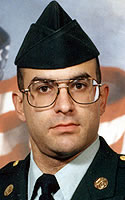
As the fourth platoon patrol sat in traffic, gunners noticed something unusual about a car that had just pulled beside them. It seemed to sag, an indication it might be loaded with explosives, and the driver did not look like he belonged in this part of the city. SPC Alan Burgess started to warn the crew in his vehicle about the danger with the bomb exploded. The HMMWV Burgess was in was the closest to the car bomb. He was gravely wounded. The other occupants were mostly unscathed, a testament to the quality of the vehicle’s armor.
The rest of the squad rallied quickly. They conducted an immediate assessment of the occupants while also scanning for other threats. The squad leader recognized the need to evacuate SPC Burgess to the field hospital at the forward operating base. Shortly after arriving, the medical staff notified the squad leader, Alan died from his wounds.
As was the procedure, all bases in Mosul went into communications blackout. Only official and necessary communications were allowed until next of kin were notified. In Baqubah we heard about the car bomb on the news. We all worried anytime we heard of an attack about our brothers around the country and their safety. By the end of the day, we received word someone in fourth platoon had died. By morning, we learned it was Burgess from family members at home telling unit members in Iraq. The official blackout in Mosul was still in place.

-photo by author
What happens next? The Army wanted us to continue our missions in Baqubah. We were not the first unit in history to lose a Soldier. Sadly, we would not be the last. In fact, three other American Service Members lost their lives that day in actions against our enemies. By that point in the deployment, many of the second platoon Soldiers were seeing mental health professionals at a forward operating base we received logistical support (second platoon operated IN Baqubah at a combat outpost). We asked them for support at our little base in the city, and they came. Even though none of us were at the scene of the attack, many second platoon Soldiers were affected by the results. Having the mental health professionals available during our time of need helped us heal enough to carry on.
Memorial Day is a day to remember people like Alan Burgess who died defending liberty. I have been asked why Veterans do not do more on Memorial Day to remember the fallen. Unlike our non-military fellow citizens, we remember the fallen every day. So on this Memorial Day, take a moment to think about the sacrifice every military member is willing to make to protect you. They make up less than one percent of our population. They do difficult things every day to be ready. Their working conditions are rarely safe or comfortable. Those who gave all deserve to be remembered. On this Memorial Day, take a few minutes to visit a veteran’s monument or the grave of a fallen service member and remember their sacrifice.

